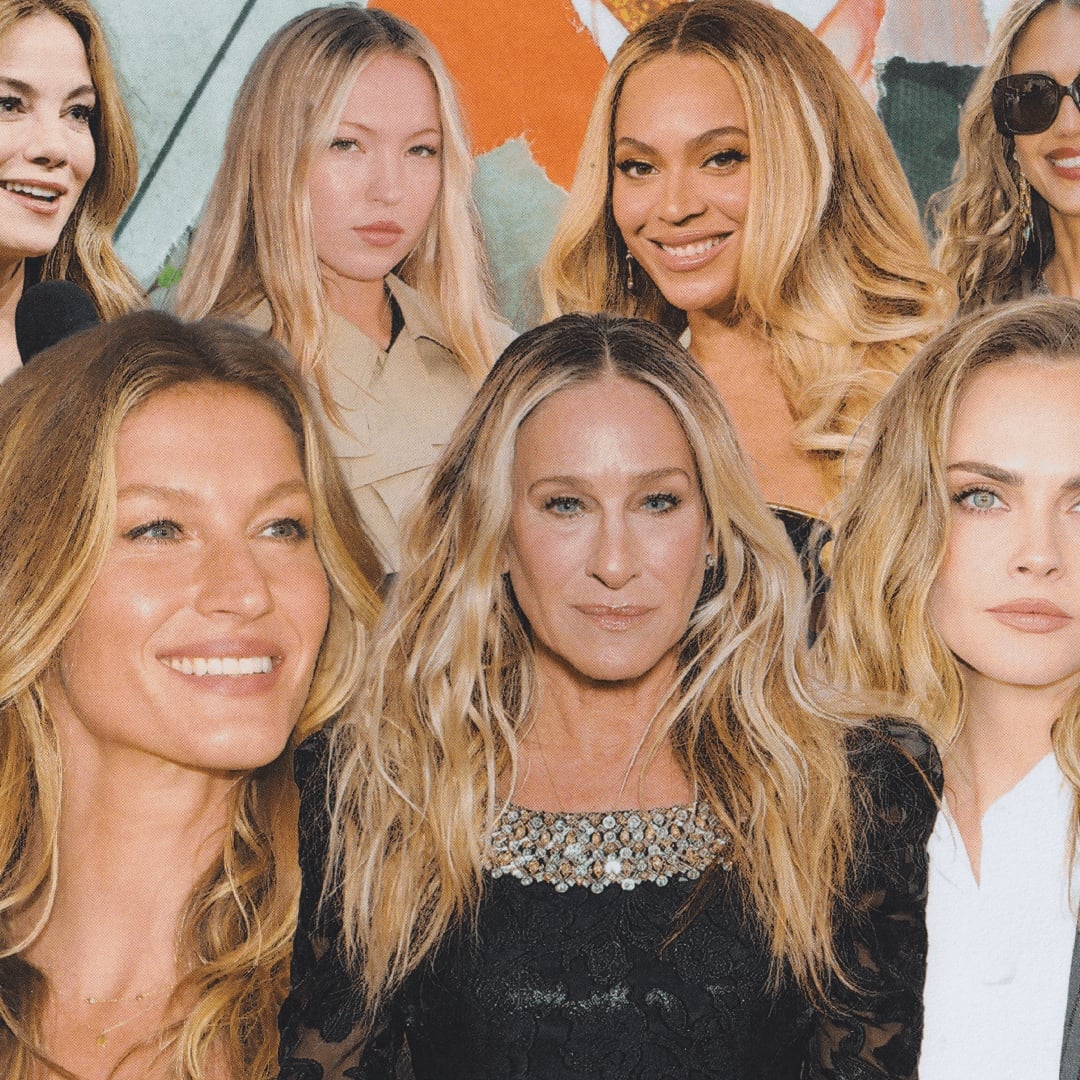
Blonde is a commitment. Every four to six weeks you sit in the chair and watch your colorist mix toner, hoping the shade lands exactly where you want it. The difference between a good blonde and a great one comes down to dimension, which is why Sharp Dimensional Blonde 2027 fills so many saved boards.
33 ideas here, from a wet-look platinum bob to a honey-toned lob with curtain bangs. Some ask for highlights and a blowout, others work with air-dried texture and a root shadow. For the client who wants a cool ash base that grows out softly, or a warm blonde that stays bright between trims.
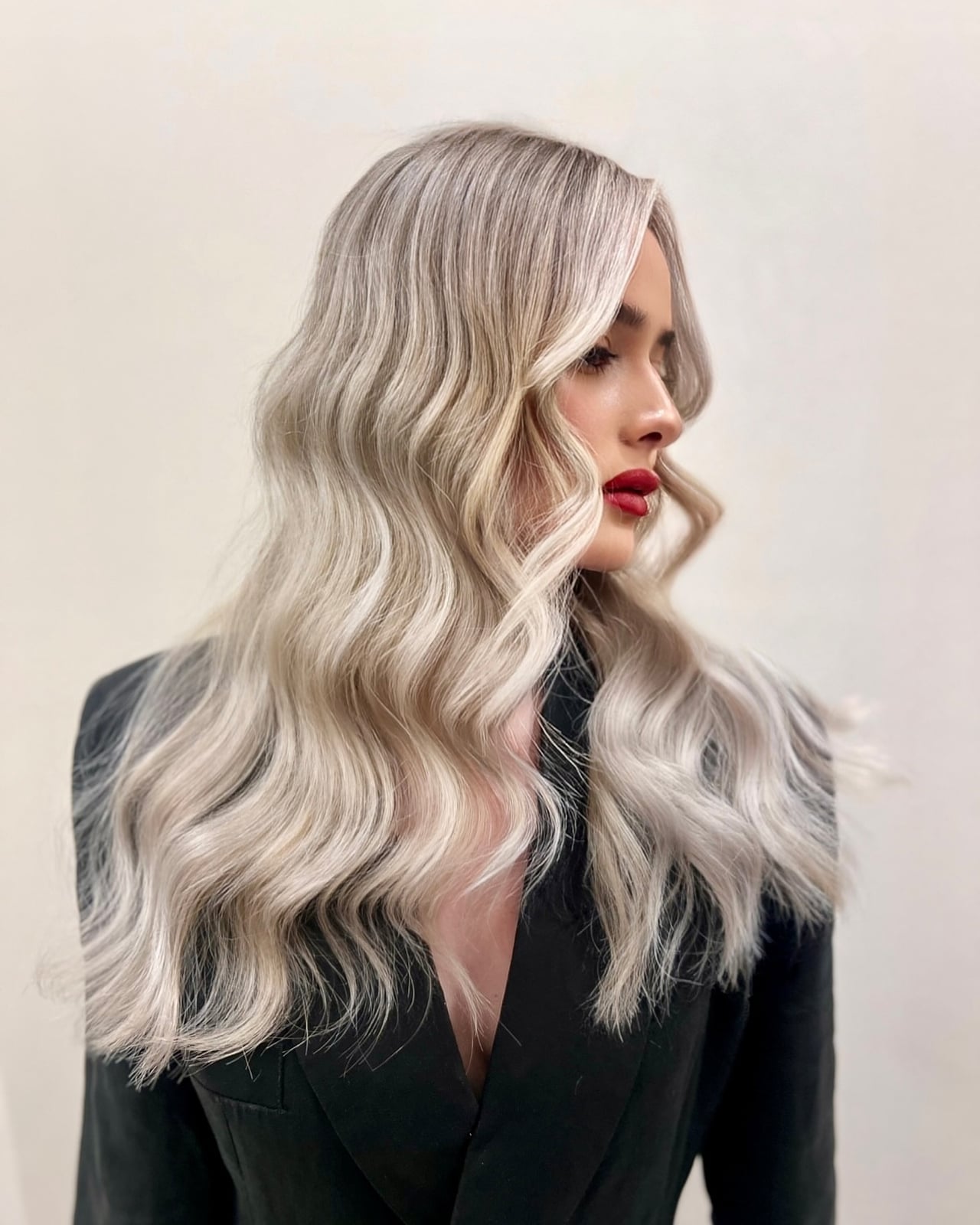
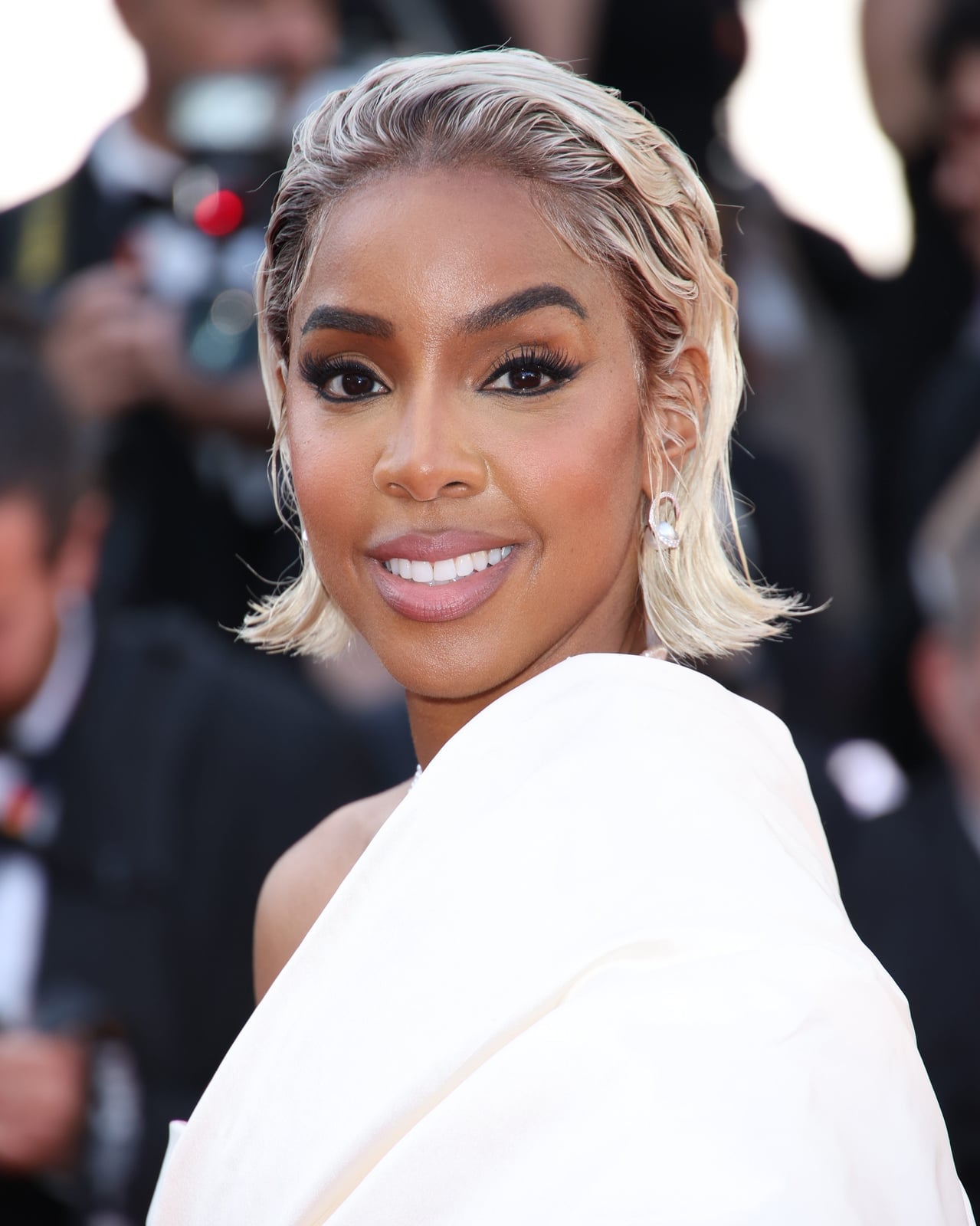
Platinum bob with a wet look and dark roots
Platinum blonde this cool needs a deliberate contrast to look modern rather than washed-out. The bob sits at roughly chin length, fine and wavy, with dark roots left exposed from the start. No highlights or babylights muddy the base, just a single high-lift shade and a visible grow-out line. That wet finish seals the cuticle flat, which actually helps fine texture hold the shape longer. A middle part keeps the front sections symmetrical and the overall silhouette clean. The look demands precision, not a last-minute slick-down. Ask your colorist for: platinum blonde, visible dark roots, wet look finish.
Warm blonde with lighter highlights and soft waves
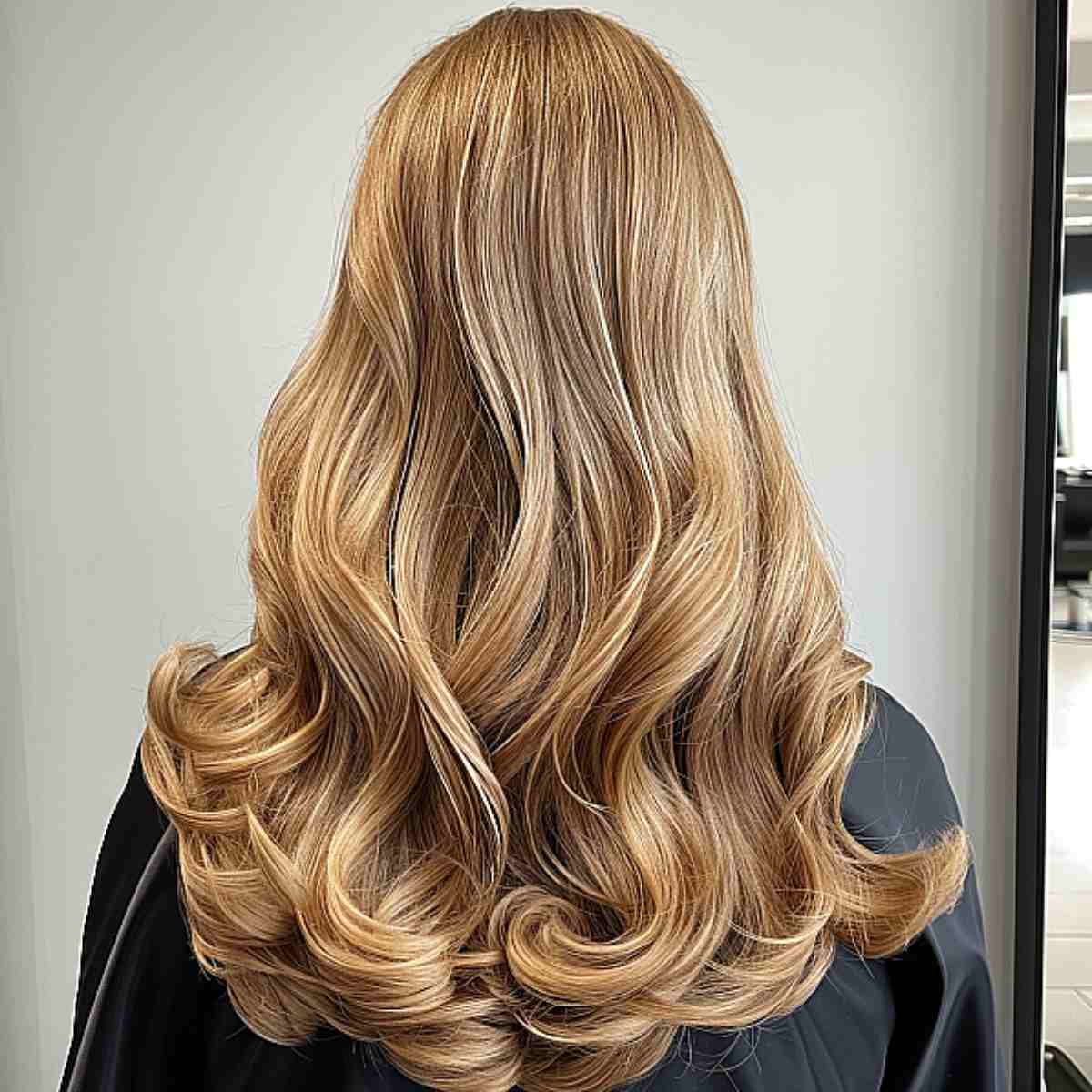
Unlike a solid warm blonde that reads flat under indoor light, this version uses lighter highlights placed in a pattern visible from the back. The thick, wavy texture holds a soft wave without product buildup. A middle part keeps the distribution even. The highlights lift just enough to catch light without turning brassy at week four. You need a stylist who paints freehand rather than using foils. The goal is a blended lift, not a stripe. Thick hair handles the multiple tones well; fine hair may look too busy.
Ash blonde with beige highlights and voluminous blowout
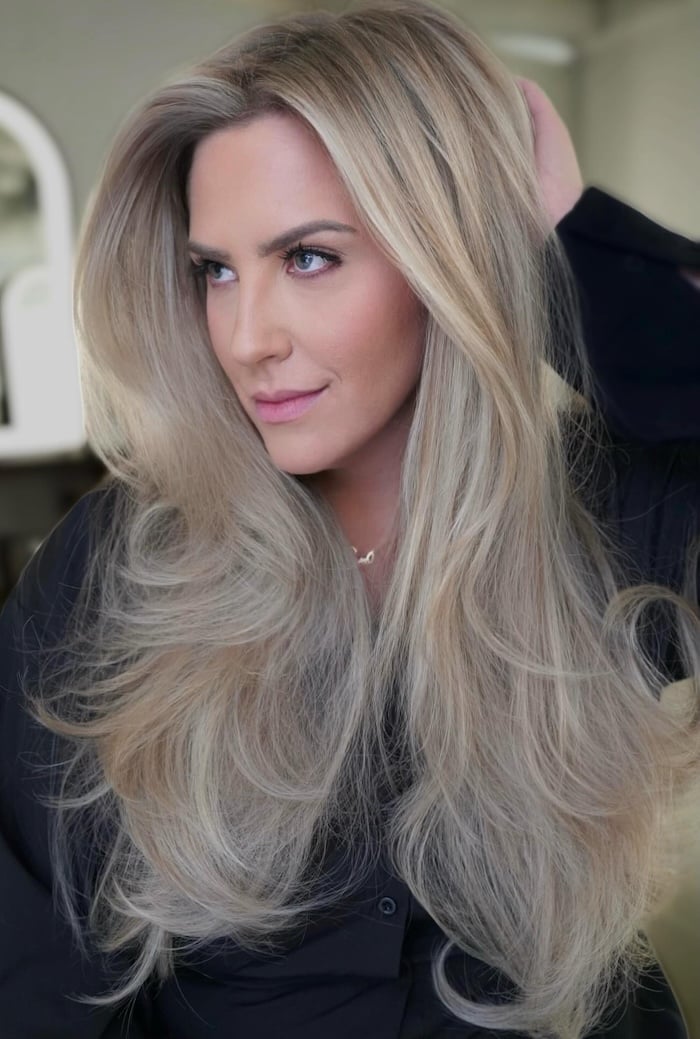
How do you keep ash blonde from looking dusty? Add beige highlights at the mid-lengths and ends. The ash base stays cool, the beige pieces add warmth without shifting to gold. A voluminous blowout with a middle part maximizes the contrast between the two tones. Thick, wavy texture lifts easily at the root, so the shape holds until the next wash. The layers are cut to support the volume rather than remove it. Tell your colorist: ash blonde base, subtle beige highlights, voluminous blowout. The words matter: beige is not caramel and not honey, and a stylist needs the exact reference.
Ash blonde with darker roots and lighter highlights
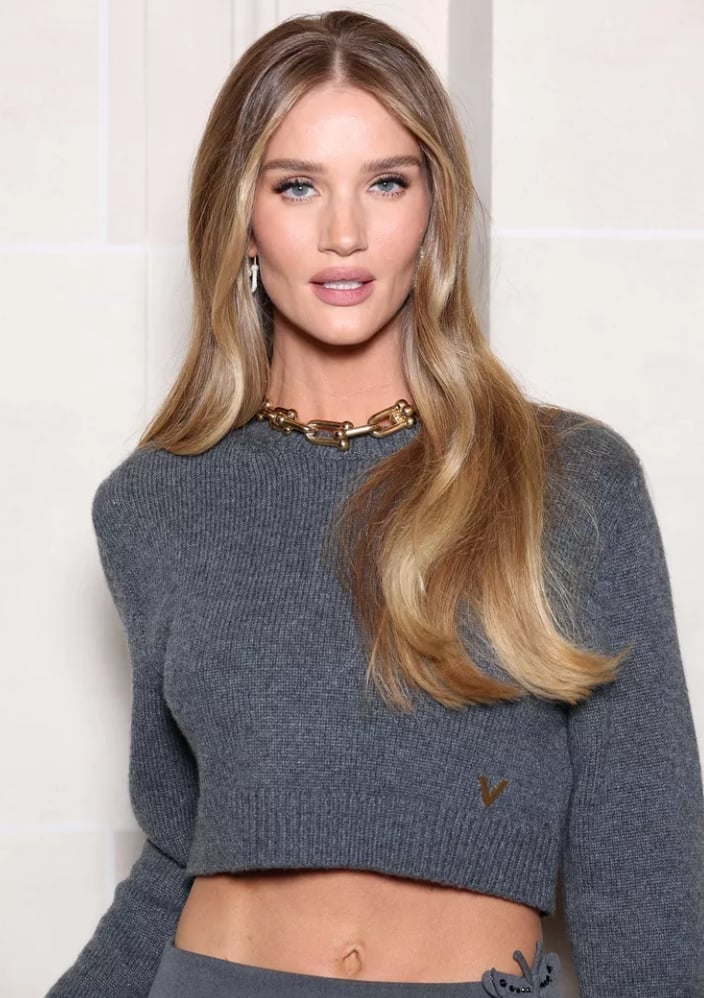
Darker roots on an ash base mean the grow-out phase is genuinely low-maintenance. No root touch-up needed for eight to ten weeks. The lighter highlights sit mid-shaft to end, so the color stays dimensional even as the roots lengthen. Thick, wavy texture helps the highlights appear natural. A middle part and soft waves keep the overall look relaxed, not overly constructed. The catch: if your hair is very fine, the darker roots can look harsh against the lighter lengths. A lightweight texturizing spray on the waves softens the transition.
Platinum blonde with ash highlights and curtain bangs
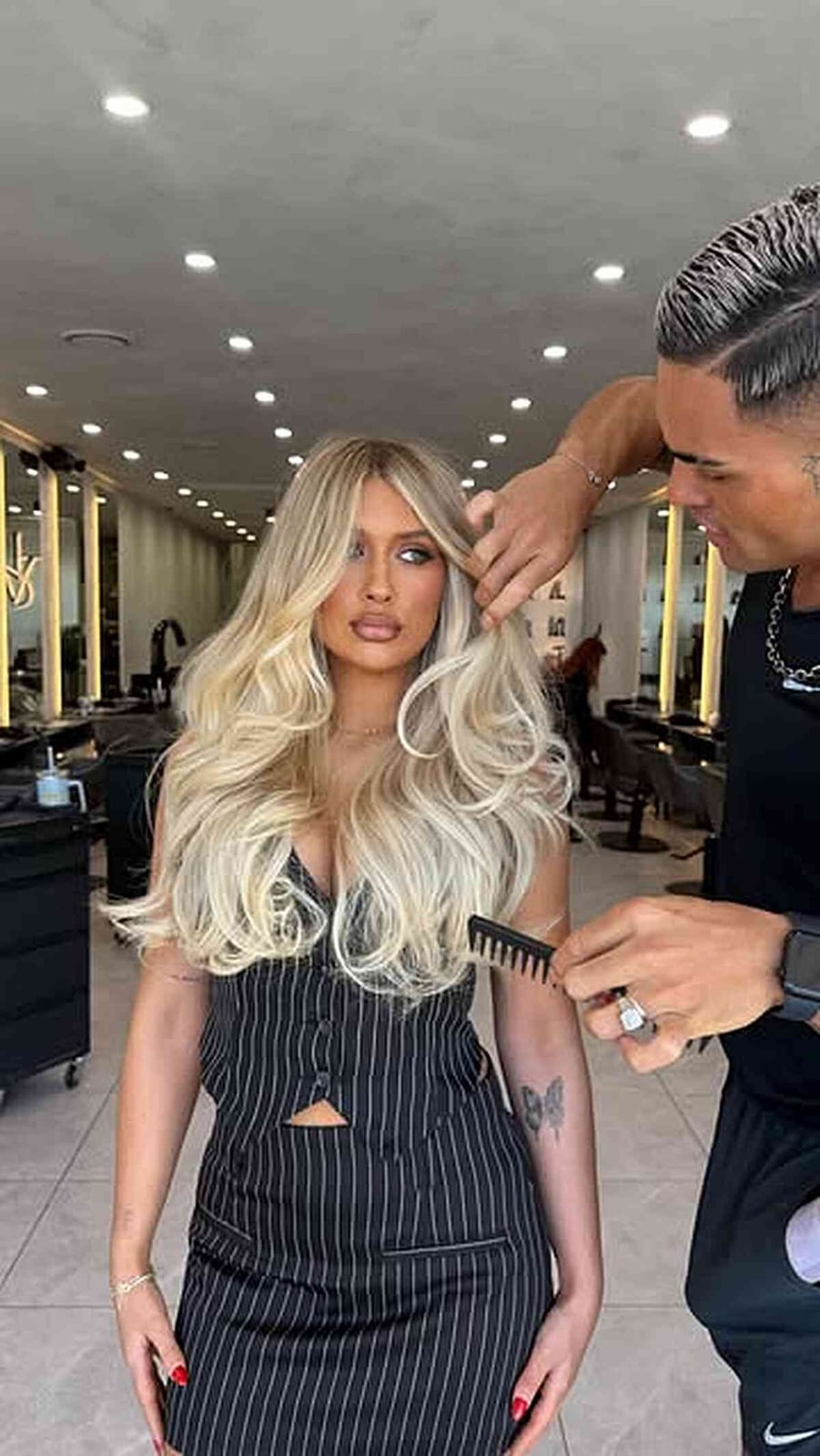
Platinum on its own can feel flat once the light hits it. Ash highlights running through the mid-lengths and ends break up the solid shade. The root shadow softens the grow-out line, so you get four weeks of grace before the roots need attention. Curtain bangs frame the face without covering the layers underneath. The mistake people make is taking the platinum all the way to the root without a shadow. The regrowth line then looks stark by week two. Thick, wavy texture gives the bangs natural movement. This is a salon-only job; the ash highlight placement and root shadow need a trained eye. Ask your colorist for: platinum base, ash highlights, root shadow, curtain bangs, long layers.
Warm blonde with lighter highlights and balayage technique
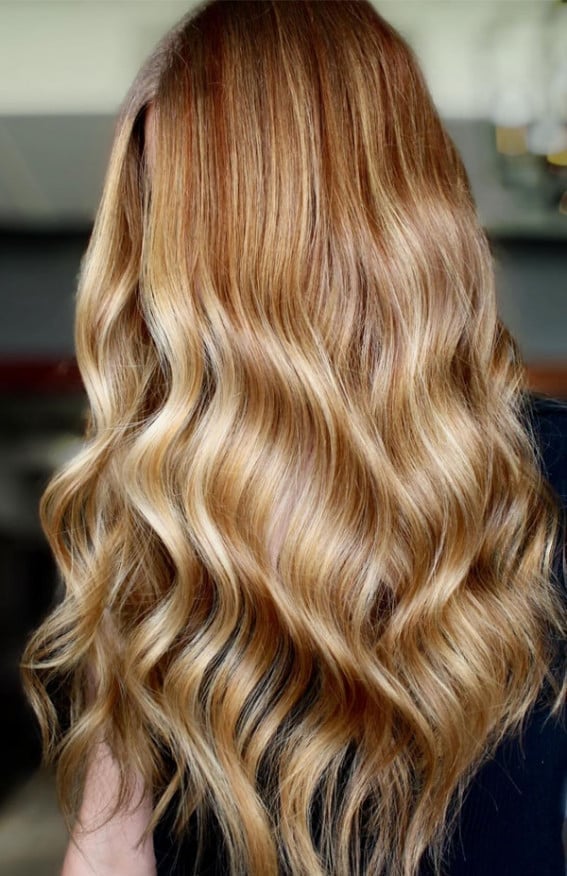
Balayage versus foilyage. The difference matters less than the result. A warm blonde base gets hand-painted with lighter highlights, so the color graduates instead of stopping in a straight line. Back view shows how the waves catch each tone. Texture is thick and wavy, which helps the blending look natural. The catch: your colorist needs a steady hand and about three hours.
Dark blonde base with lighter highlights textured
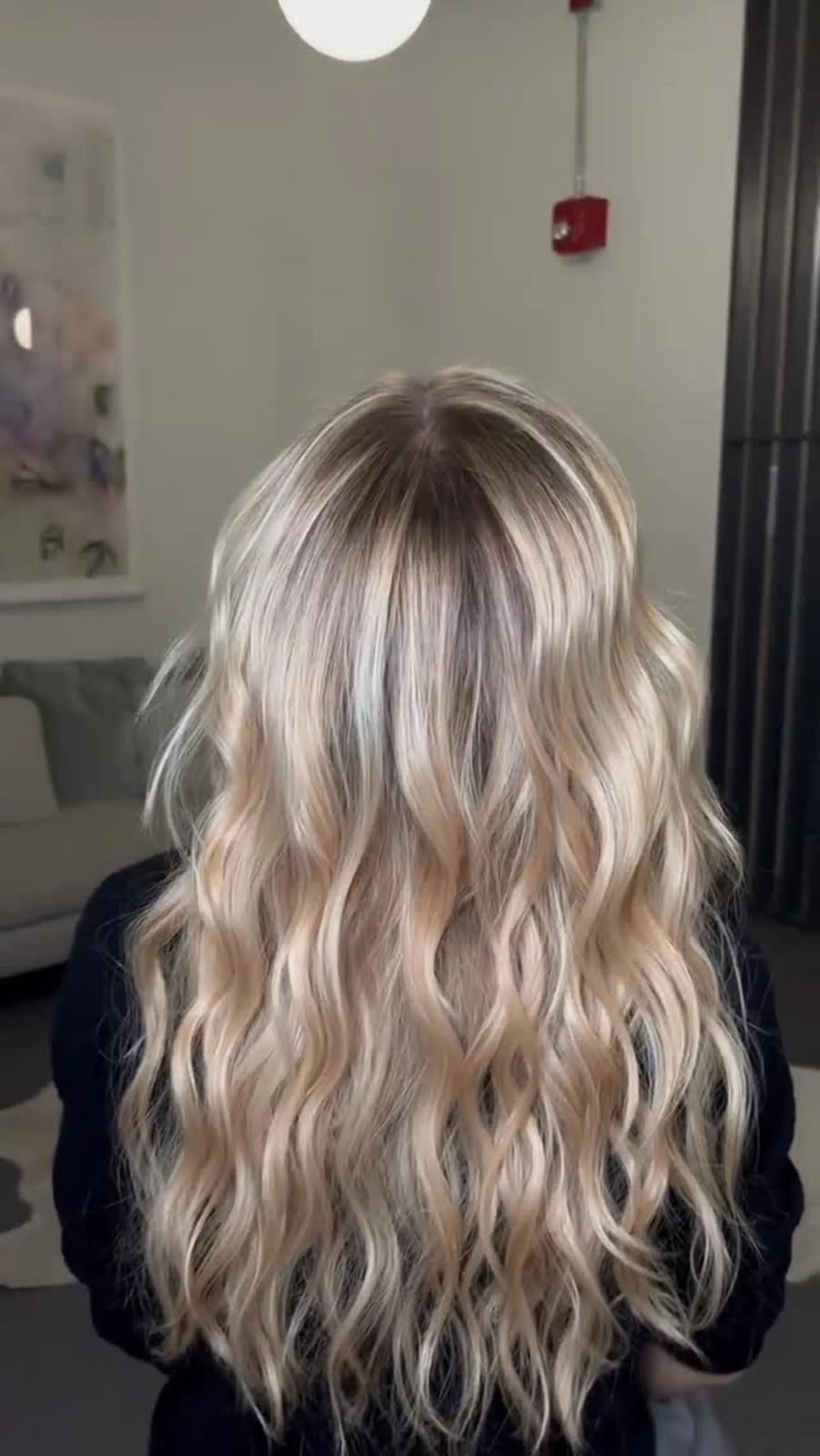
Dark blonde sits closer to natural than most blondes dare to go. A base that deep keeps the lighter highlights from feeling brassy, and the thick wavy texture holds the wave pattern without product. This design lands in fall and winter better than summer. The contrast looks intentional, not faded. Back view confirms the dimension runs from root to end. Fine hair may not hold the wave shape long enough to justify the salon time. Ask your colorist for: dark blonde base, lighter highlights, soft waves.
Honey base with lighter highlights layered cut
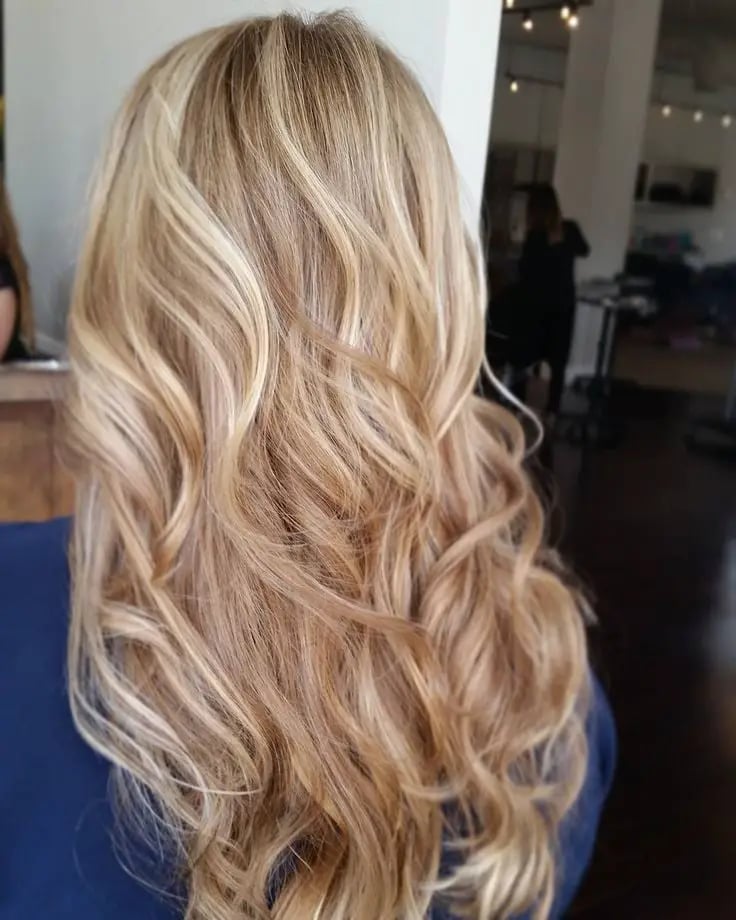
Does honey blonde actually work on thick wavy hair, or is it a formula risk? It works, provided the highlights land with a strategic pattern. A middle part and layers let the lighter pieces frame the face without appearing stripey. Front view shows the subtle blending that keeps the look salon-leaning. No bangs here, so the layers do all the work. It works best with warm tones and a layered shape.
Ash blonde with honey highlights and soft layers
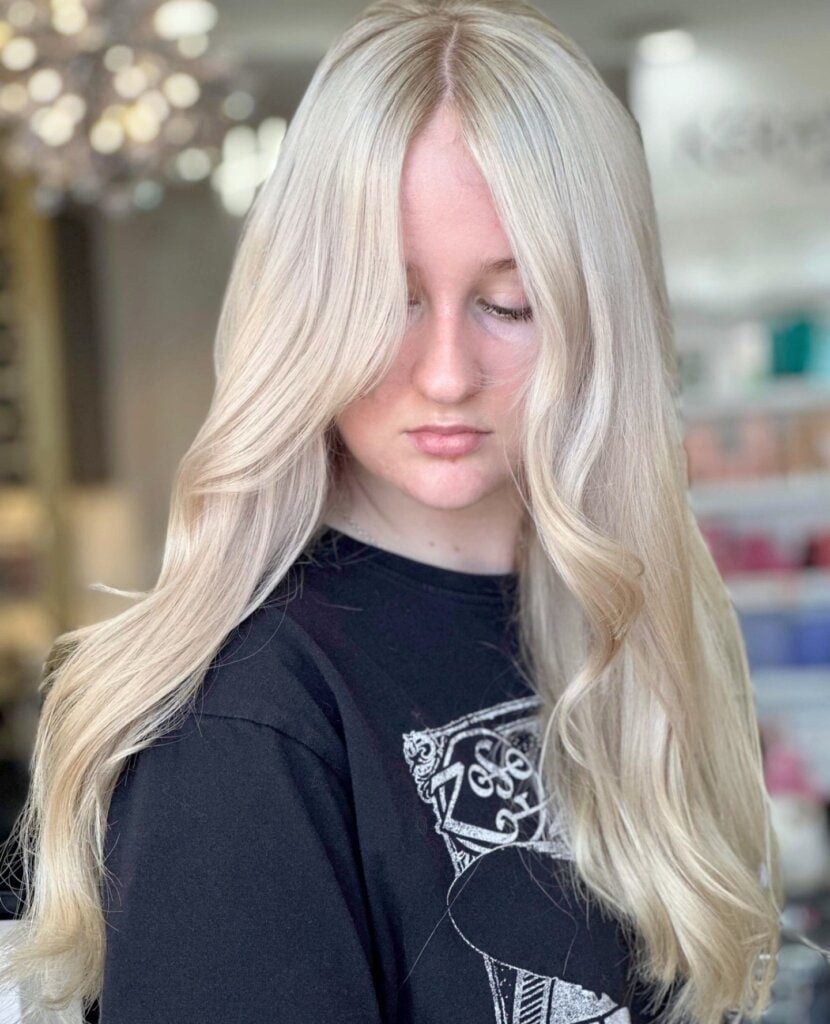
Ash base with honey highlights sounds like a contradiction until you see it work. The cool ash keeps the warmth from going orange, and the honey stops the ash from washing you out. Soft layers and a middle part let both tones show equally. Back view confirms the dimension holds through a blowout. Upkeep is straightforward: a trim every six to eight weeks keeps the layers from splitting. A medium barrel curling iron defines the waves in about fifteen minutes. Ask your colorist for: ash base, honey highlights, soft layers.
Ash blonde with subtle highlights and curtain bangs, wavy
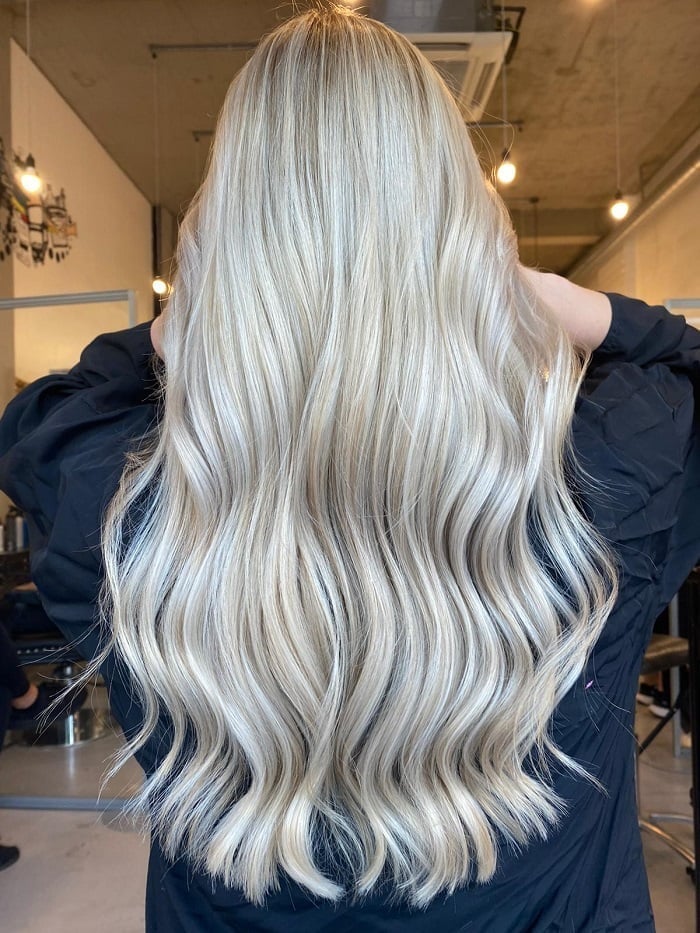
Curtain bangs need a color that moves with them. Ash blonde with subtle highlights does exactly that, the bangs catch the lighter pieces, and the rest of the hair stays cool and grounded. Face-framing layers connect the bangs to the length without a hard line. Styling takes two steps: round brush the bangs forward, then wave the rest with a medium barrel. Not for anyone who wants a solid color or skips bangs entirely.
Ash blonde with platinum highlights and layers
Blended balayage isn’t the only path to dimension. This version works the contrast hard: an ash blonde base with platinum highlights cut into defined layers. The middle part keeps the distribution even. Thick, wavy hair holds the separation between the two tones. A salon application ensures the platinum sits cleanly against the ash, without muddying. Fine hair typically needs a softer transition. The loose waves keep the layers from looking too uniform.
Ash blonde with beige highlights and face-framing layers
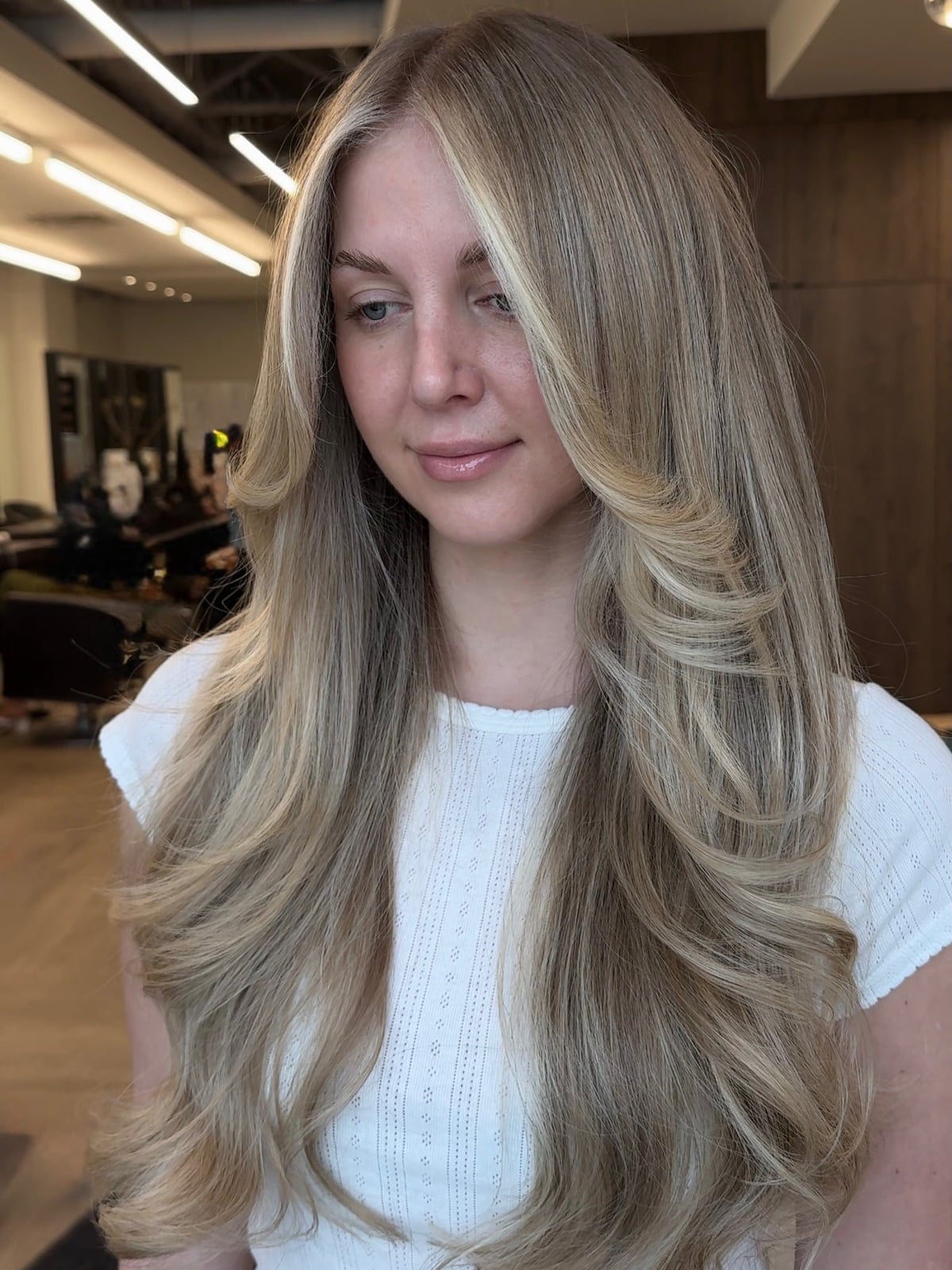
Face-framing layers get a tonal upgrade here. The ash blonde base is woven with beige highlights, so the pieces around the face read lighter without a harsh line. Thick, wavy hair gives the bouncy blowout its staying power. The catch: those front layers need regular trims to keep the shape precise. A single-length cut offers a different look. Ask your colorist for: ash blonde base, subtle beige highlights, face-framing layers, bouncy blowout.
Ash blonde with darker roots and lighter highlights
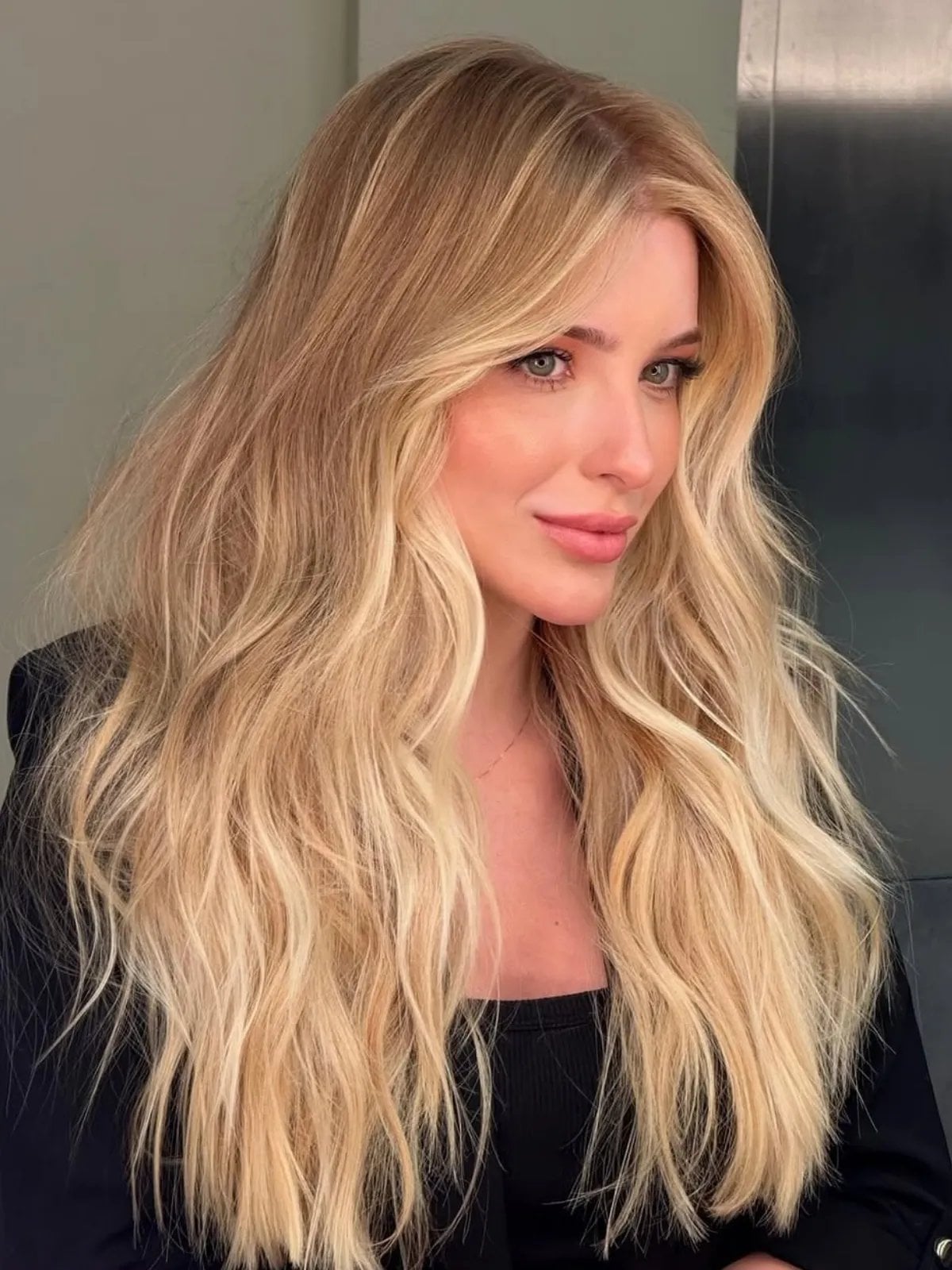
Lighter highlights usually mean a lighter root. Here the darker root shadow does the opposite: it deepens the base while the lighter pieces sit on top. The side-swept bangs pull the eye across the wave pattern. Thick, wavy hair carries the contrast better than fine hair. Compare this to a full highlight with a solid root. The shadow gives you two weeks more grow-out grace.
Angled bob with dark blonde highlights and waves
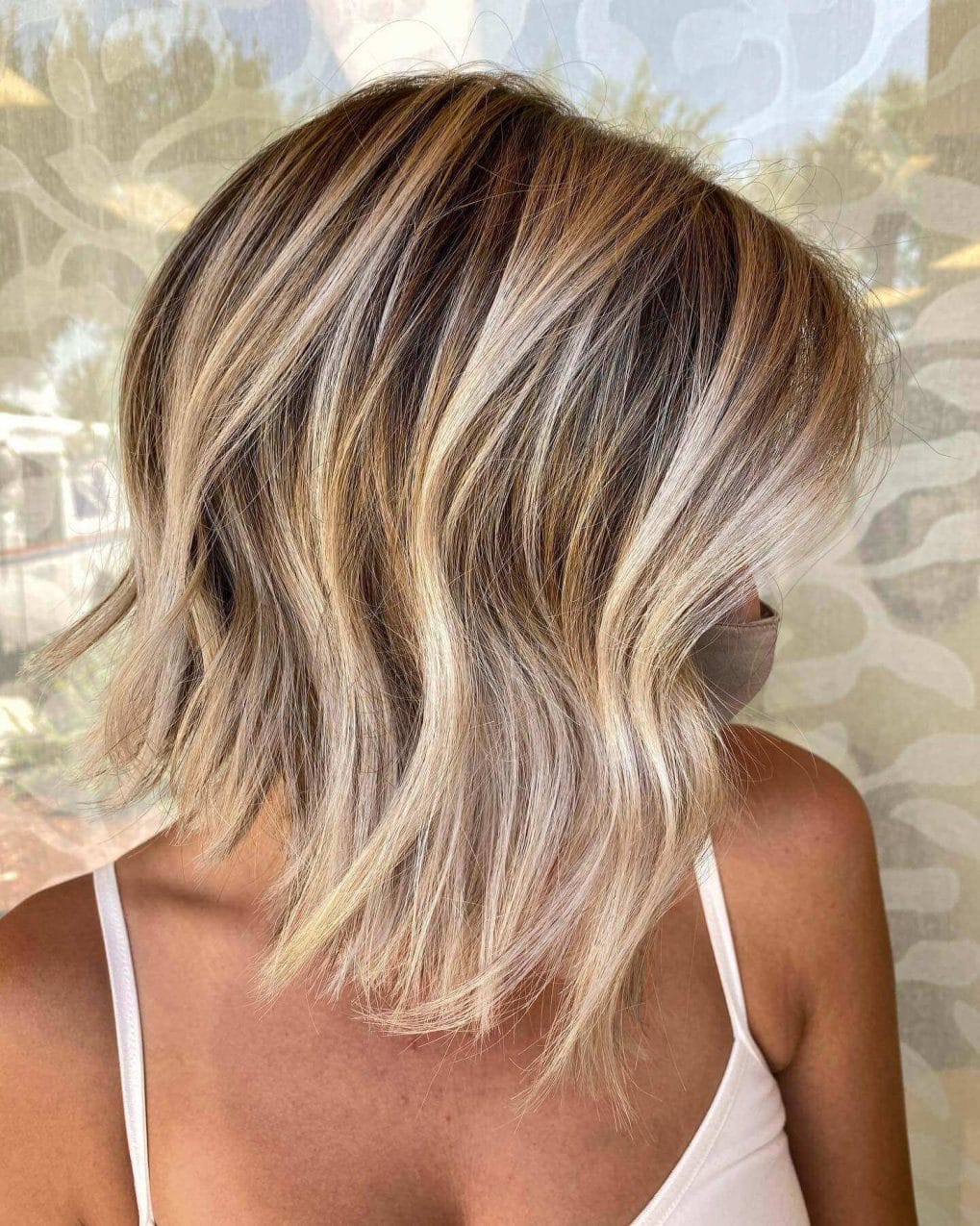
An angled bob on fine, wavy hair needs the right color strategy to avoid looking flat. A dark blonde base with lighter blonde highlights creates enough separation. The wavy blowout adds volume at the crown. Fine hair that is at least chin length works best, shorter and the angle can feel severe. Pass when your hair is very thick; the bob loses its clean line. Ask your colorist for: dark blonde base, lighter blonde highlights, angled bob, wavy blowout.
Shag haircut with curtain bangs and ash blonde highlights, middle
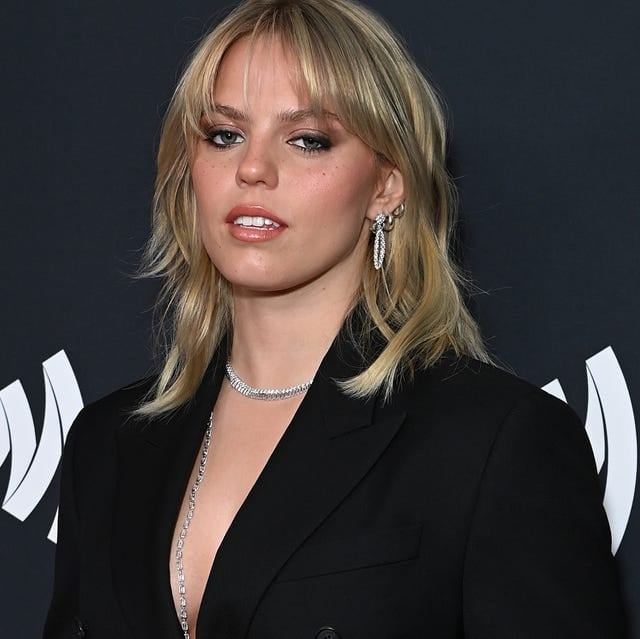
A shag haircut relies on texture more than color. Fine, wavy hair lets the curtain bangs fall naturally, and the ash blonde base with subtle lighter highlights adds depth without weight. Air-dried texture is the point. The upkeep is minimal: a trim every eight weeks keeps the shag from looking overgrown. Not for anyone who wants a neat blowout every day.
Honey blonde with darker roots and curtain bangs
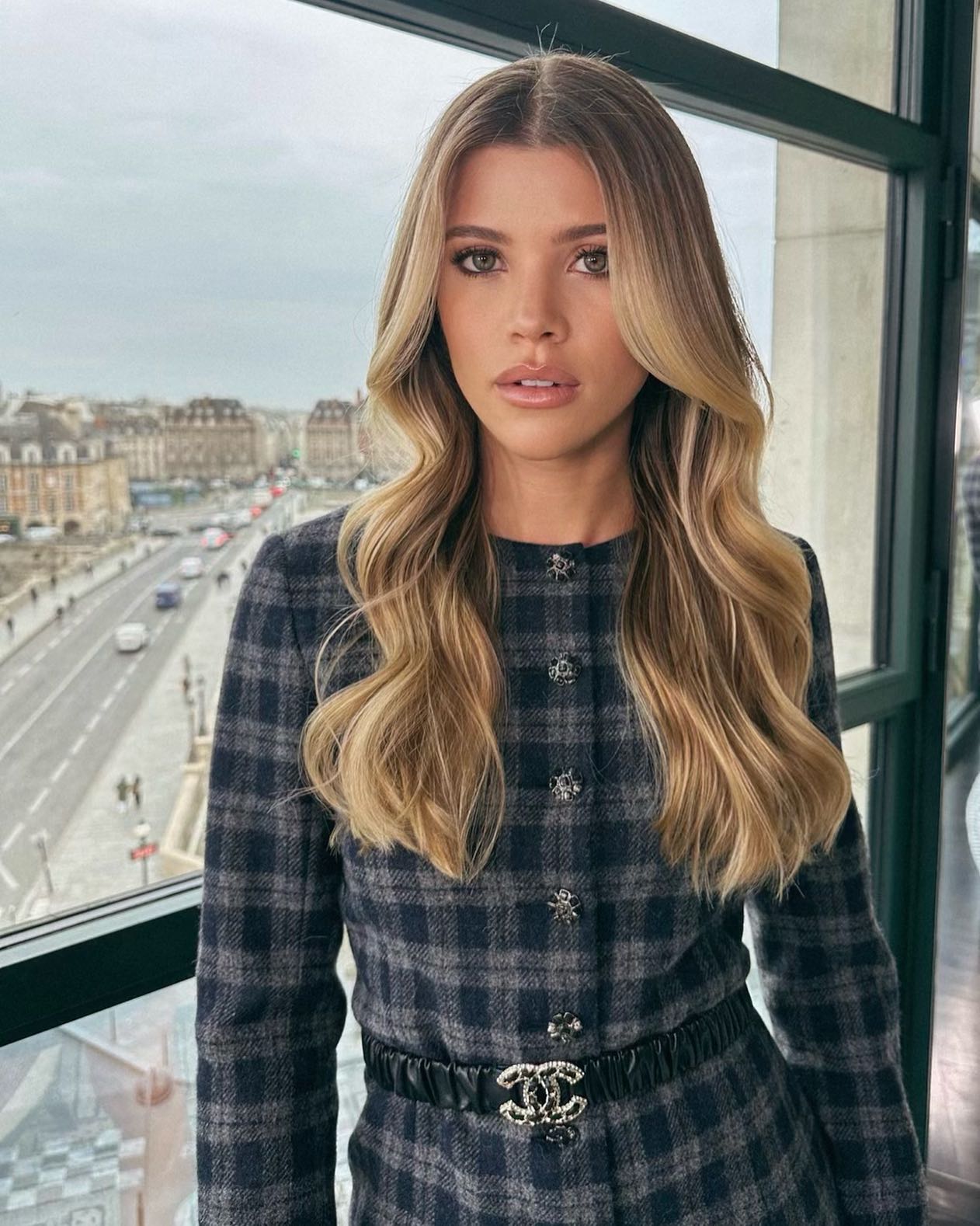
Where a honey blonde base meets darker roots, the grow-out turns friendly. The tone lands warm, not brassy, and the curtain bangs frame the face without demanding daily flat-iron attention. Thick, wavy hair picks up the blonde highlights best. Skip it if you prefer cooler tones or do not want bangs. Tell your colorist: honey blonde base, darker roots, blended highlights, curtain bangs, soft waves.
The layers keep the weight off the bangs, so they swing instead of sitting flat. A round brush and a few minutes of heat shape the curtain pieces.
Sandy beige highlights enhancing ash blonde base
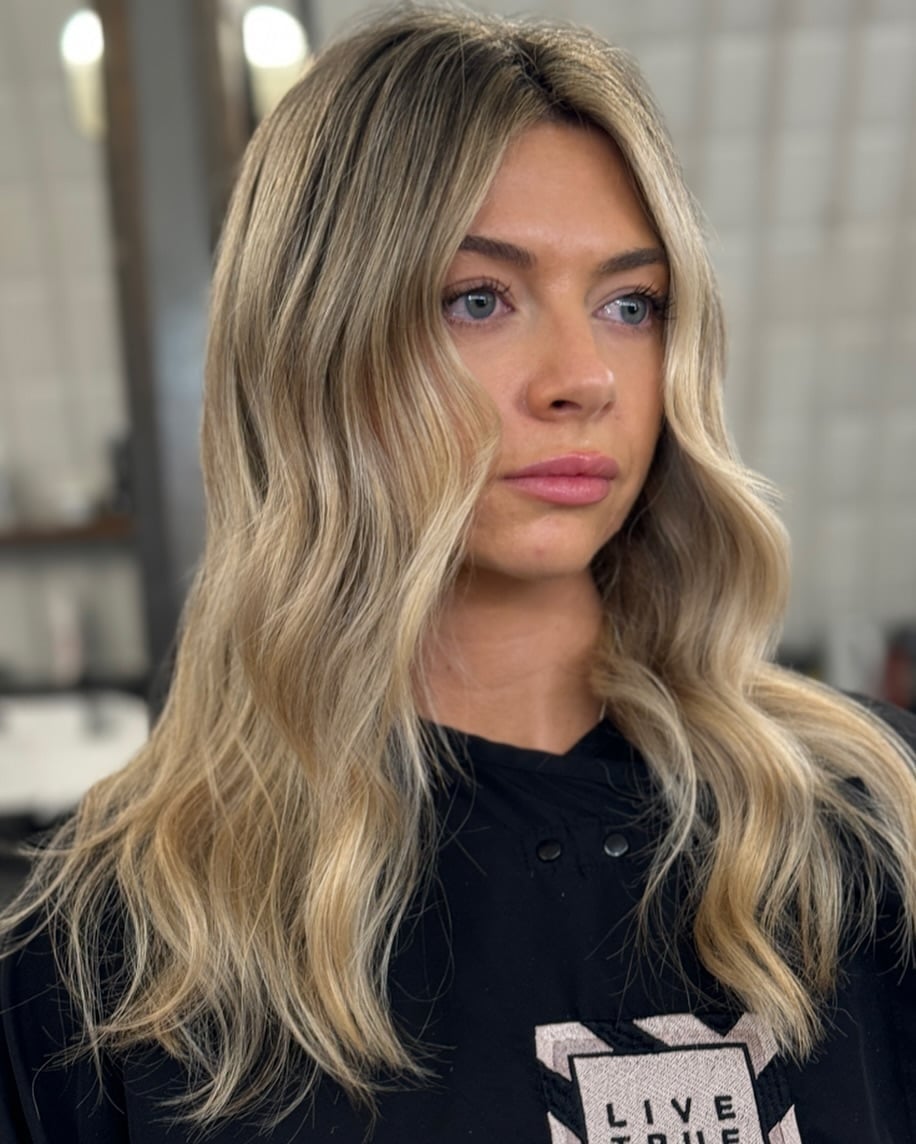
Design starts with an ash blonde base, then sandy beige highlights are painted through the mid-lengths and ends. The beige warms the ash just enough to keep the blonde from turning flat. A salon does this best. The weave needs to stay fine to avoid a stripe effect. Fine, wavy hair carries the color without looking heavy. Layers stop the ends from clumping. A texturizing spray on damp hair, then air-dry, and the waves land where they should.
Ash blonde with contrasting beige highlights
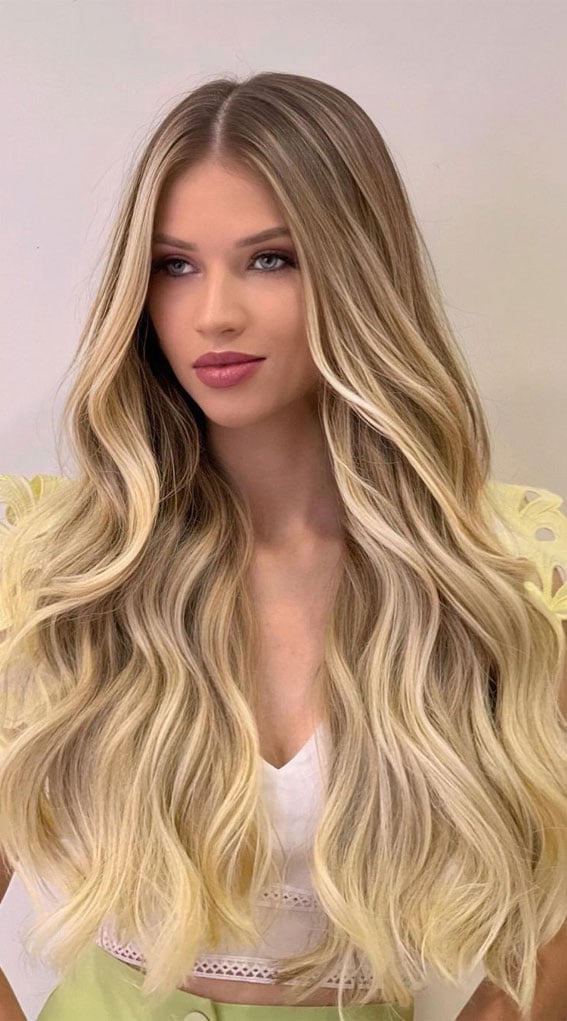
Contrast is the point here. The ash base sits cool and quiet, while beige highlights cut through with a visible warmth. The middle part splits the dimension evenly. One trade-off: the difference between ash and beige means regrowth shows faster than a single-tone blonde. Thick, wavy hair gives the color enough surface to read. Pass when you prefer a subtle look or have fine hair that doesn’t hold waves well.
Ash blonde with beige highlights and shorter front sections
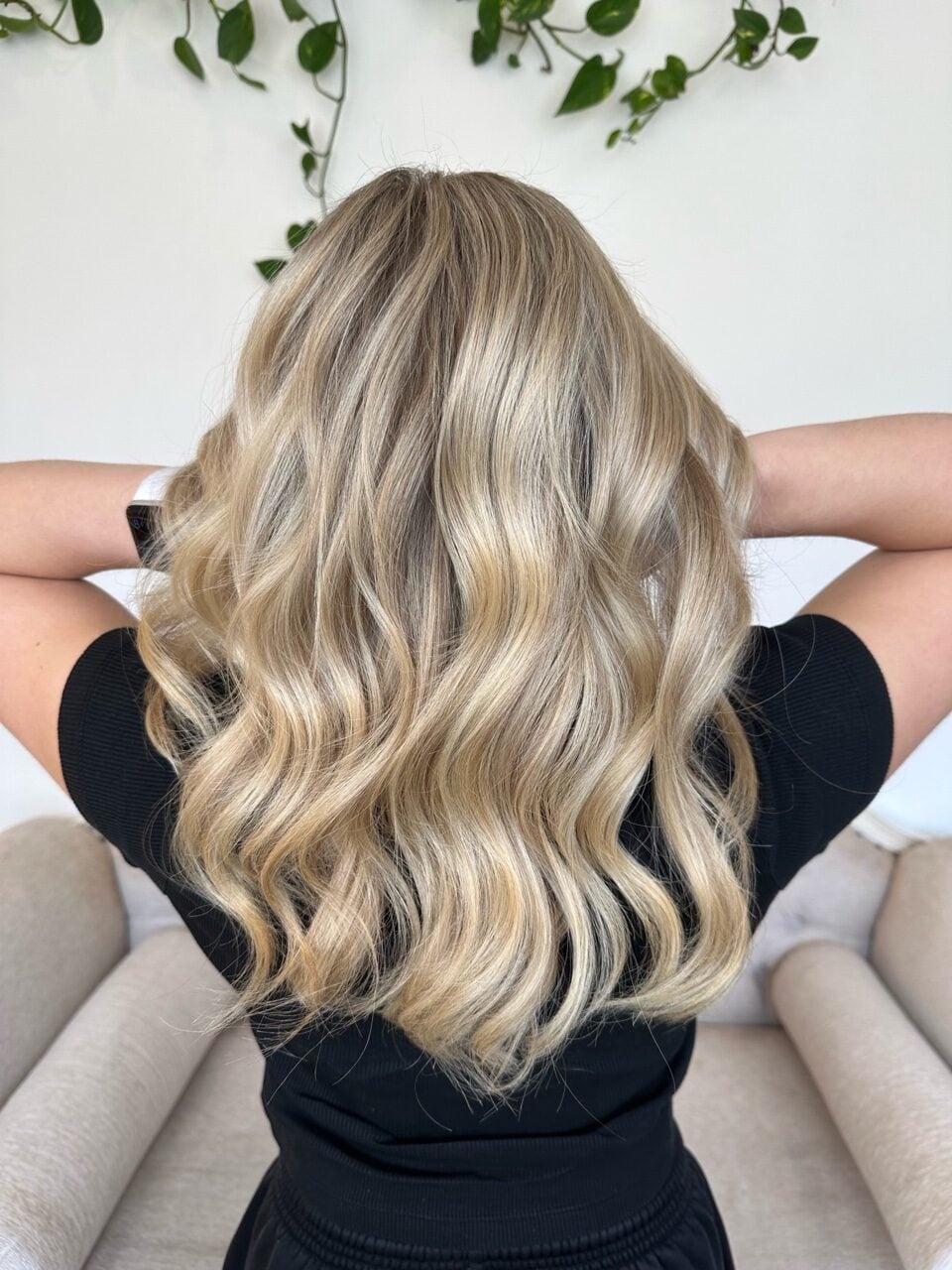
Compared to a uniform ash blonde, this version adds shorter front sections that break the line around the collarbone. The beige highlights stay subtle, no sharp contrast, just a lift that catches the eye from the back view. Thick, wavy hair needs those shorter pieces to keep the style from widening at the bottom. Apply a texturizing spray to the waves, then finger-comb.
Dark blonde with lighter highlights for textured waves, wavy
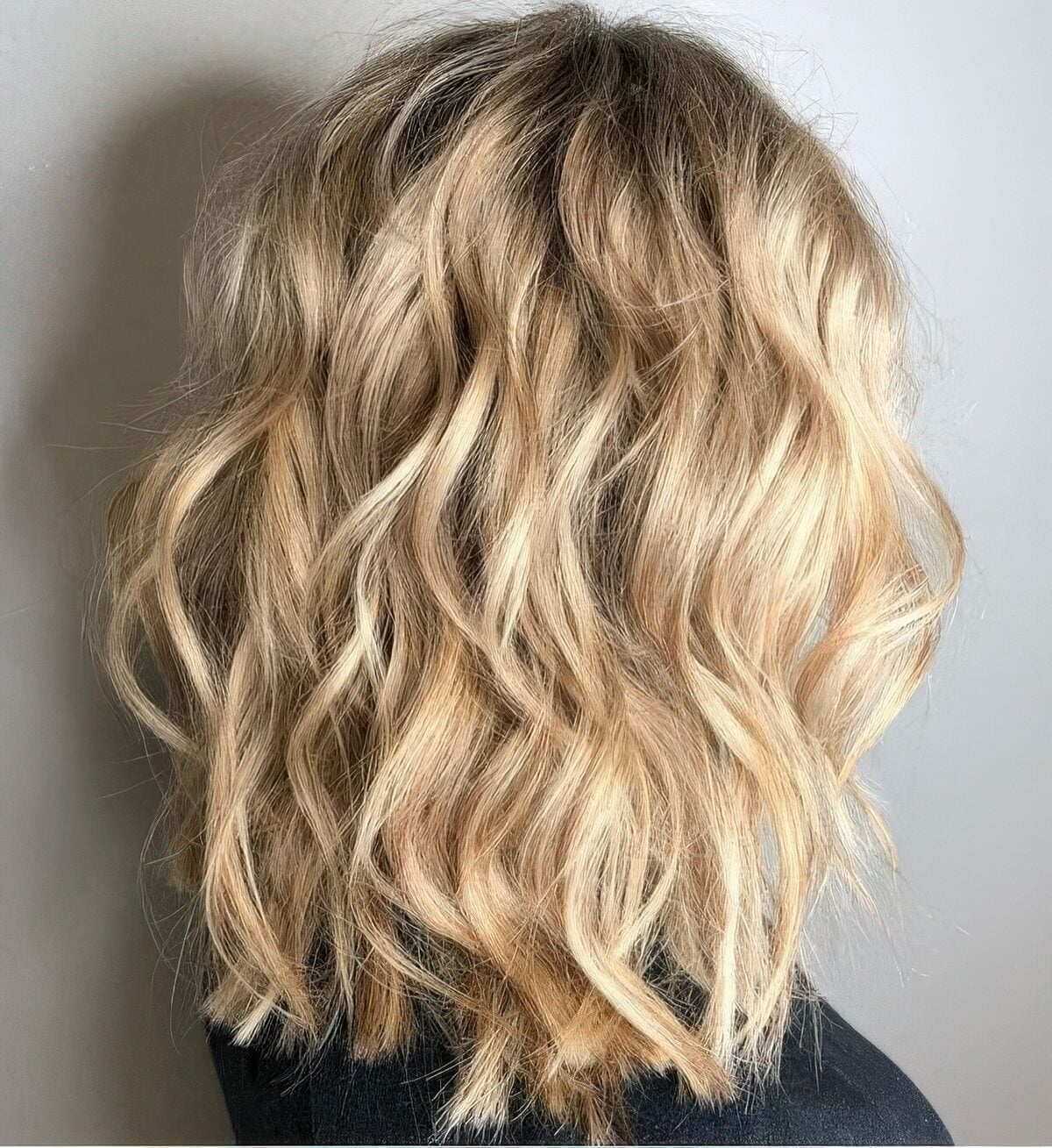
Designed for fine, wavy hair that needs volume without weight. The dark blonde base grounds the look, while lighter highlights sit in the layers to create depth. A sea salt spray on damp hair, then scrunch, and the texture builds without product overload. The side view shows the layering working through the lengths. Not for those who prefer a neat blowout. This one lives in the messy, lived-in zone.
Dark brown root shadow with blonde balayage
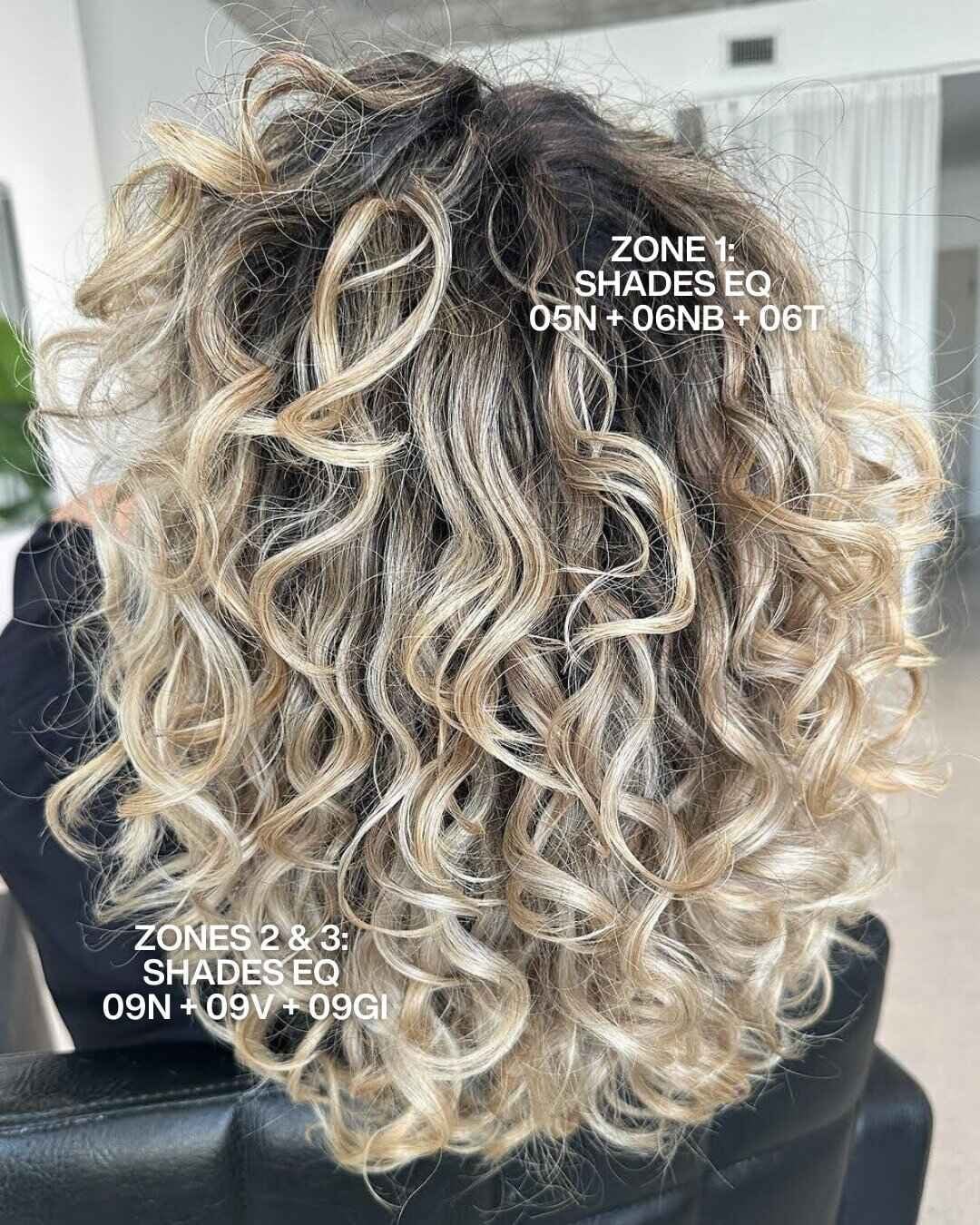
Dark brown at the root, blonde everywhere else. A line this sharp needs a colorist who can place the shadow without a seam. The curly, thick texture does the blending work for you. Not a single straight strand in the bunch, which means the balayage lands in concentrated patches, not a uniform stripe. Air dried hair with a smooth finish may look like a grown out dye job. Toning at week eight keeps the blonde from veering brassy, but the root shadow buys you twelve weeks between touch ups.
Dark blonde with lighter highlights and blended balayage
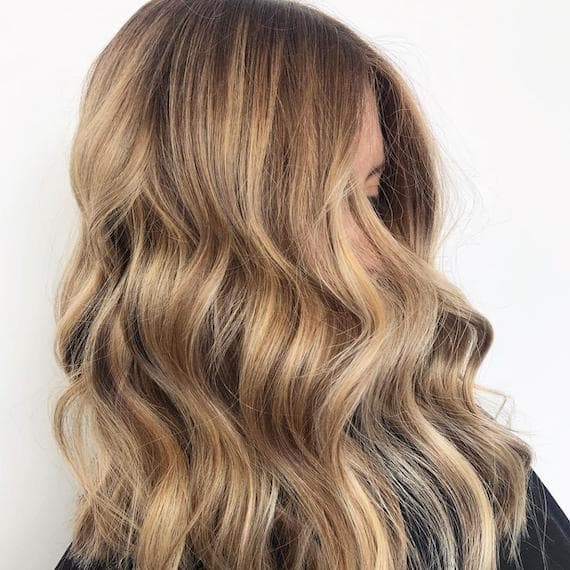
Close enough to a classic highlight that people will say “did you just get your hair done?” without knowing why. The difference is the blended balayage, no single slice of light, just a gradual lift from dark blonde to something brighter. Wavy, thick hair hides the transition seam better than fine hair does. The words for the chair: “Dark blonde base, lighter blonde balayage, blended through the mids and ends.” A middle part works with the wave pattern, but a side part shifts the dimension to one side entirely.
Dark blonde with honey highlights and curtain bangs
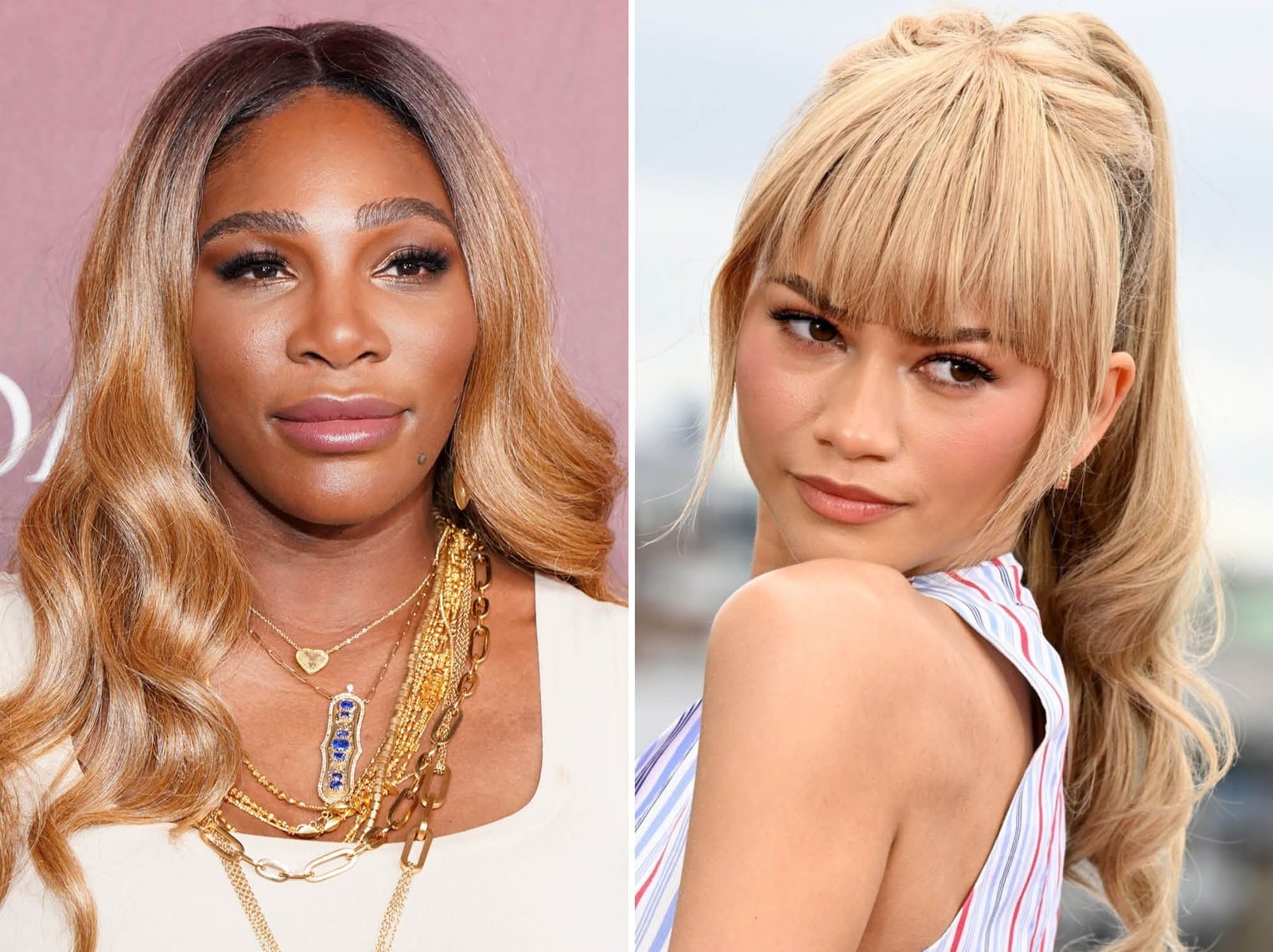
Curtain bangs paired with honey highlights require a precise balance, too much warmth and the bangs look a separate color. The technique here keeps the dark blonde base dominant, with honey lifted only in thin sections that graze the cheekbone. Thick, wavy texture lets the bangs sit soft rather than flat. A salon does the subtle blending better than a box does. The middle part splits the curtain evenly, so the honey lands on both sides. No DIY version of this holds the tone past the first wash.
Warm blonde with lighter lighter highlights
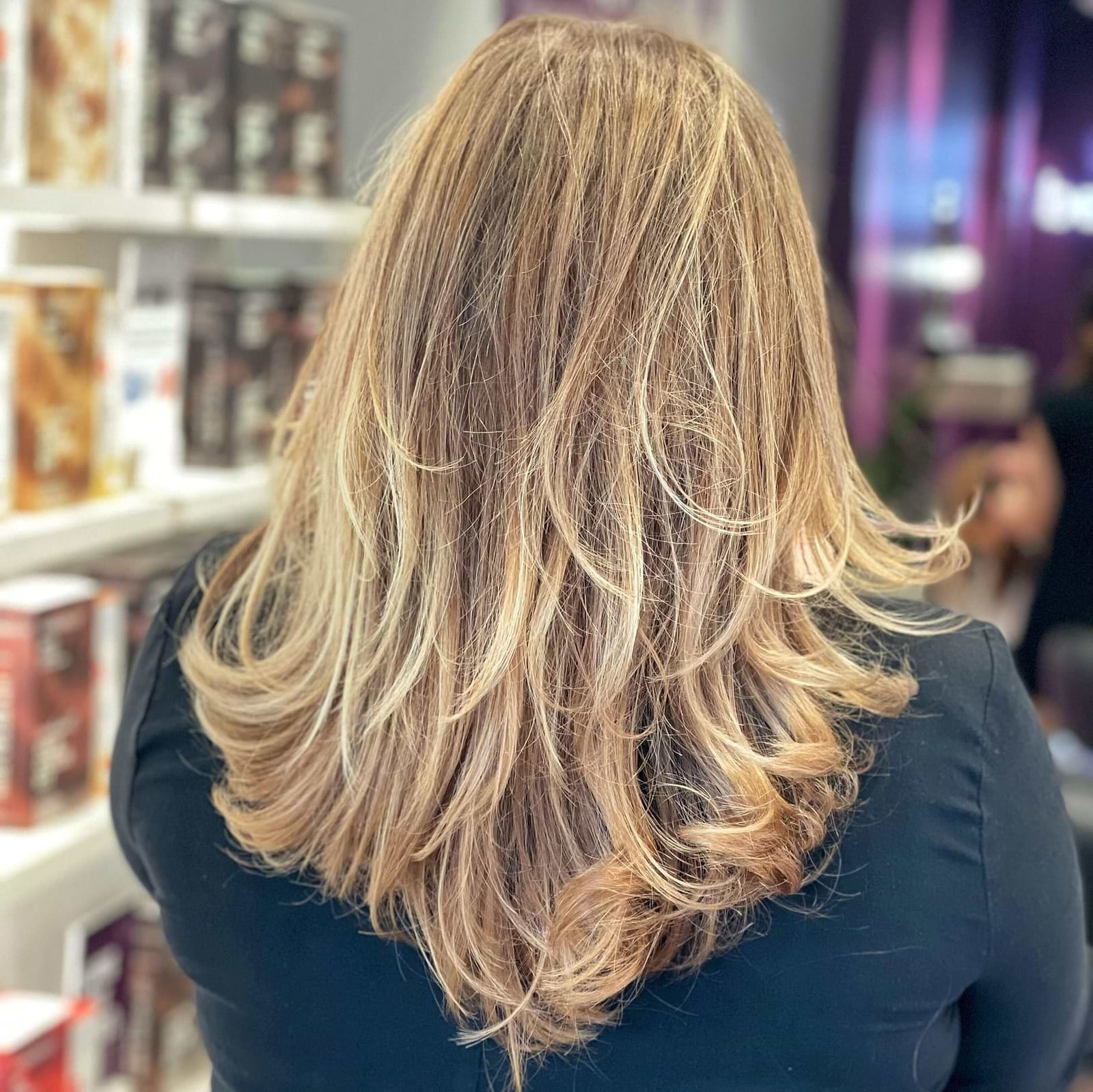
Warm blonde with lighter highlights sounds straightforward until the warm turns yellow. The trade-off: a honeyed base looks natural in summer light but looks brassy under fluorescents. Thick, wavy hair carries the lighter pieces without them disappearing into the texture. The catch: the highlights sit on top, so every new layer of growth shifts the lighter effect downward. A toner at week six resets the warmth before it crosses into brass. Not the right call for anyone who prefers a cool, ashy blonde.
Dimensional blonde lob side parting
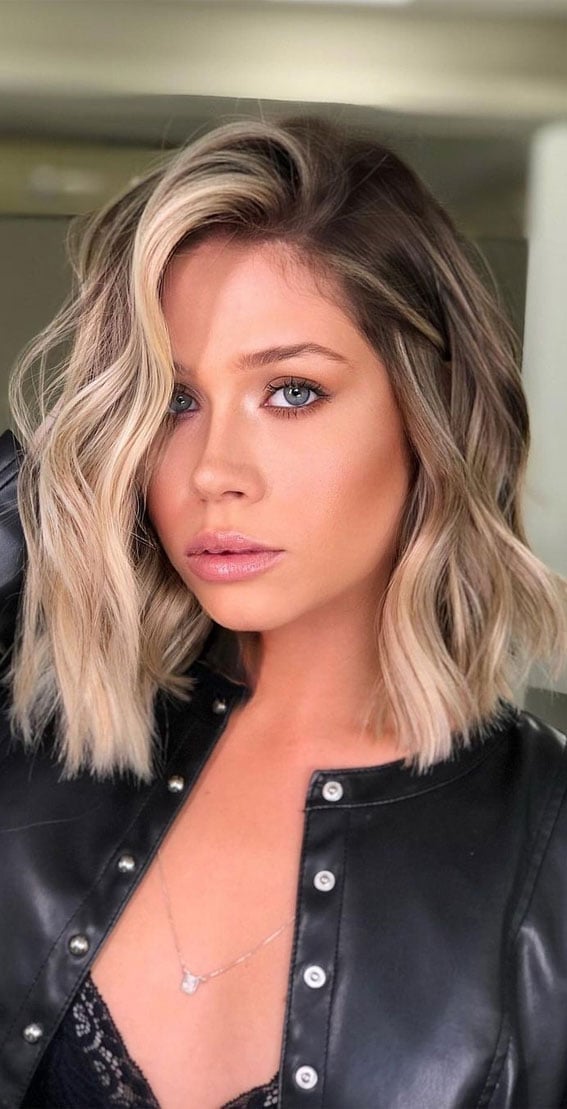
A side part on a lob changes where the dimension lands. Dark blonde at the root, lighter blonde highlights wrapping the top curve. The deeper side gets more light, the shallower side stays darker. Wavy, thick texture holds the wave pattern without product. Compare it to a center part: the center spreads the highlights evenly; the side part concentrates them on one side. This style works for someone who wants a lob that looks deliberate.
Dark blonde bob with honey highlights
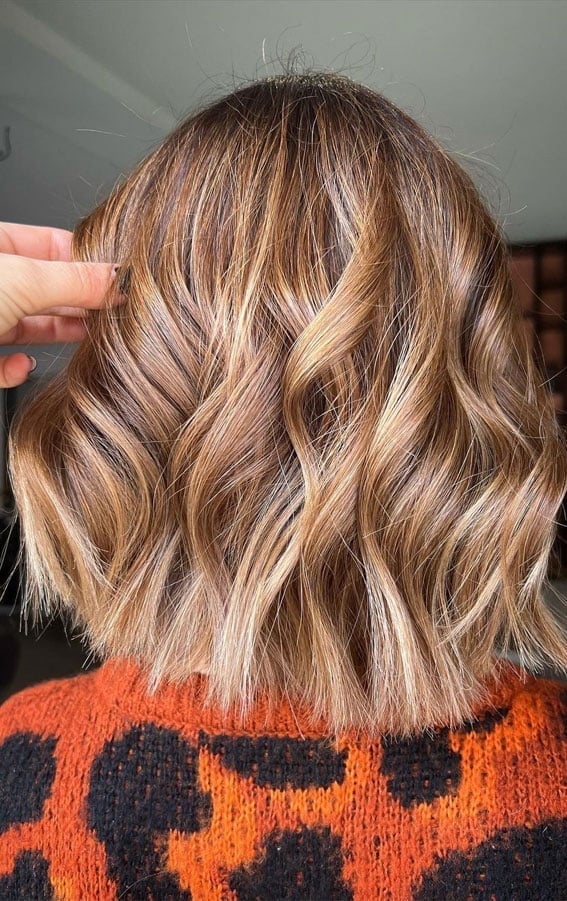
Dark blonde base with honey highlights. This is the bob that proves warm dimensional color does not need a full bleach. The cut hits just below the chin, wavy and thick, with a middle part that keeps the look grounded. Honey-toned ribbons weave through the dark blonde, adding depth. A texturizing spray on damp waves keeps the shape from turning stiff.
Dimensional blonde with highlights and face-framing layers
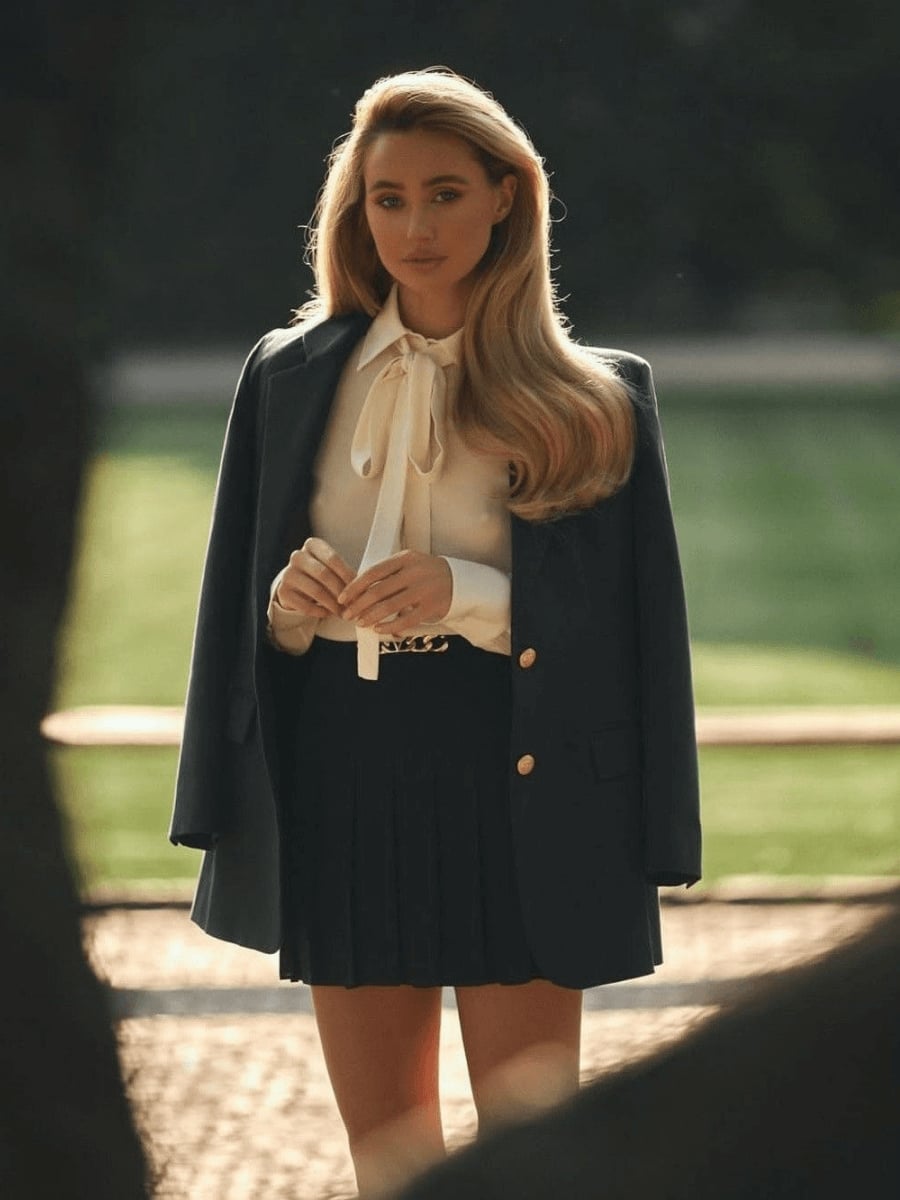
Layers around the face change the way a dimensional blonde reads. The wavy, thick cut here uses subtle highlights that start lighter at the front and soften toward the back. A middle part keeps the face-framing pieces symmetrical. The upkeep is manageable: a purple shampoo every other wash prevents the blonde from going brassy. Ask your colorist for a dimensional blonde with face-framing highlights.
Platinum blonde with ash tones and side parting
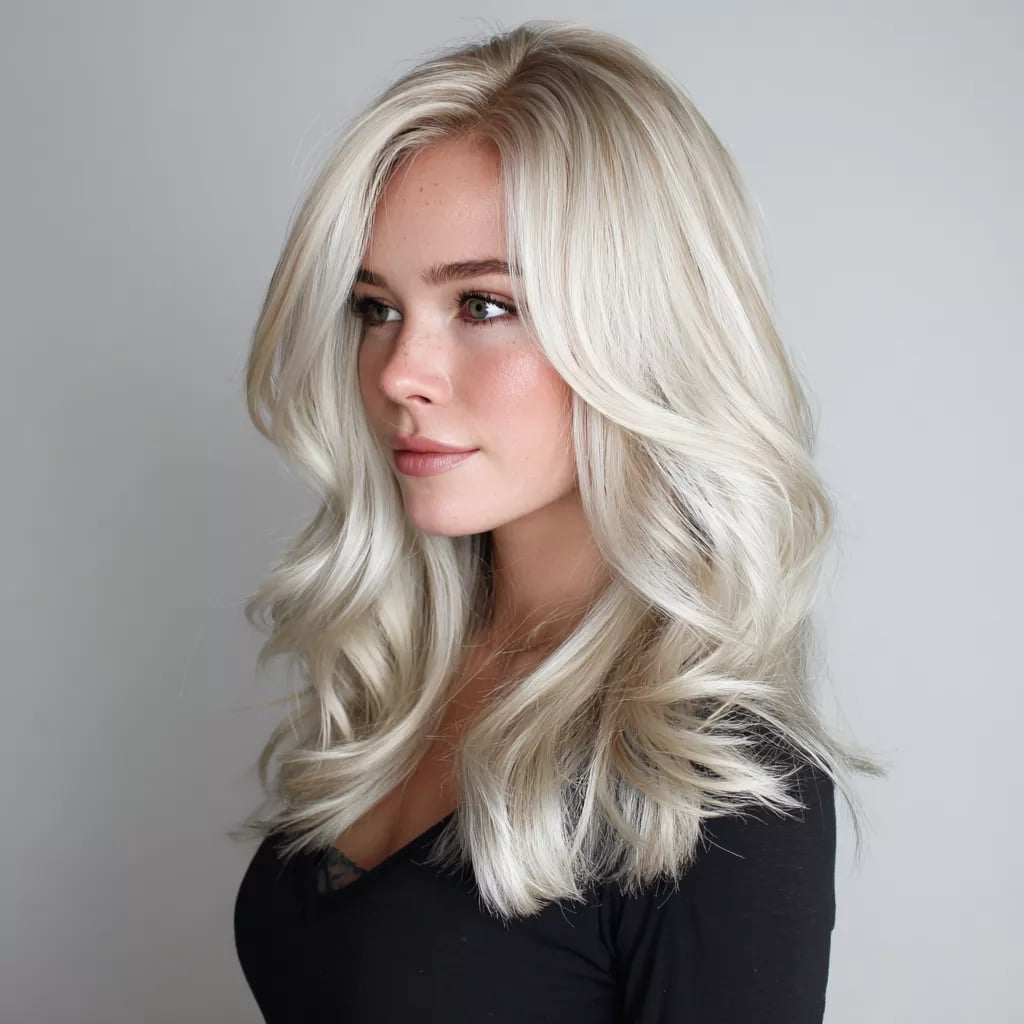
Platinum with ash tones is a cool commitment, and this side-parted cut makes the case for it. The wavy, thick texture gives the platinum depth that a flat finish would lack.
The side part adds lift at the root, so a volumizing spray there is enough. The ash tones fight brass for about four weeks, then a toning gloss at home extends the window.
Ash blonde with beige highlights and curtain bangs, layers
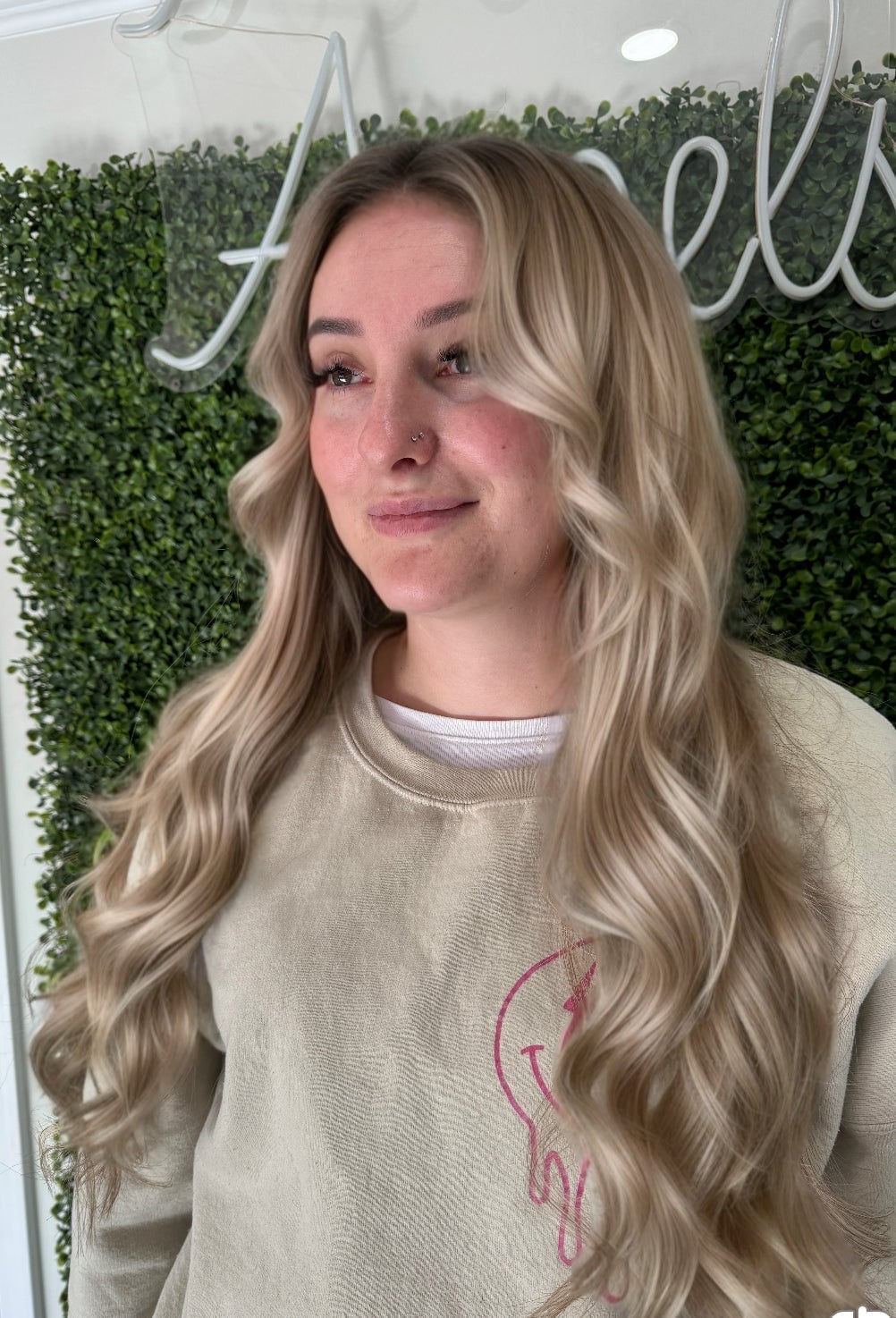
Curtain bangs and an ash blonde base with beige highlights. The technique here is about placement, not heavy lift. The beige ribbons sit subtly through the layers, not chunky or spaced too wide. The wavy, thick texture lets the curtain bangs blend into the rest of the cut instead of sitting separate. A round brush and a quick blast of hot air shape the bangs. This is a salon job: blending ash and beige tones on a thick base takes a skilled hand.
Ash blonde with darker roots and lighter highlights, close-up take
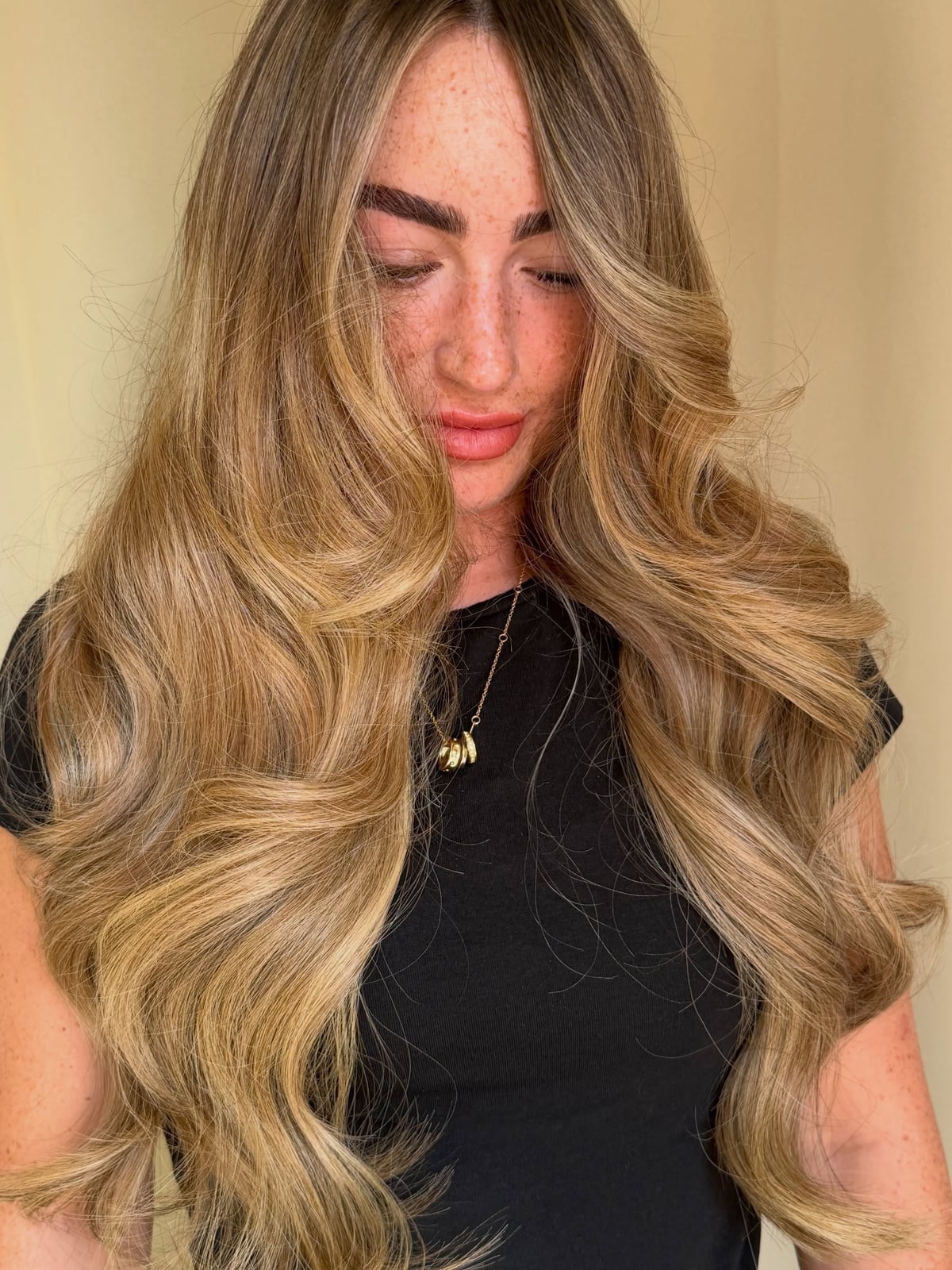
Darker roots with lighter highlights on an ash base. The trade-off is a slower grow-out for a slightly more casual finish. The wavy, thick texture helps the lighter pieces move naturally through the ash base. The catch: the contrast between root and highlight can look muddy if the ash tone pulls green on the ends. A purple shampoo once a week keeps the lighter pieces cool. The roots buy you an extra two to three weeks between appointments.
Ash blonde with lighter highlights and curtain bangs, everyday version
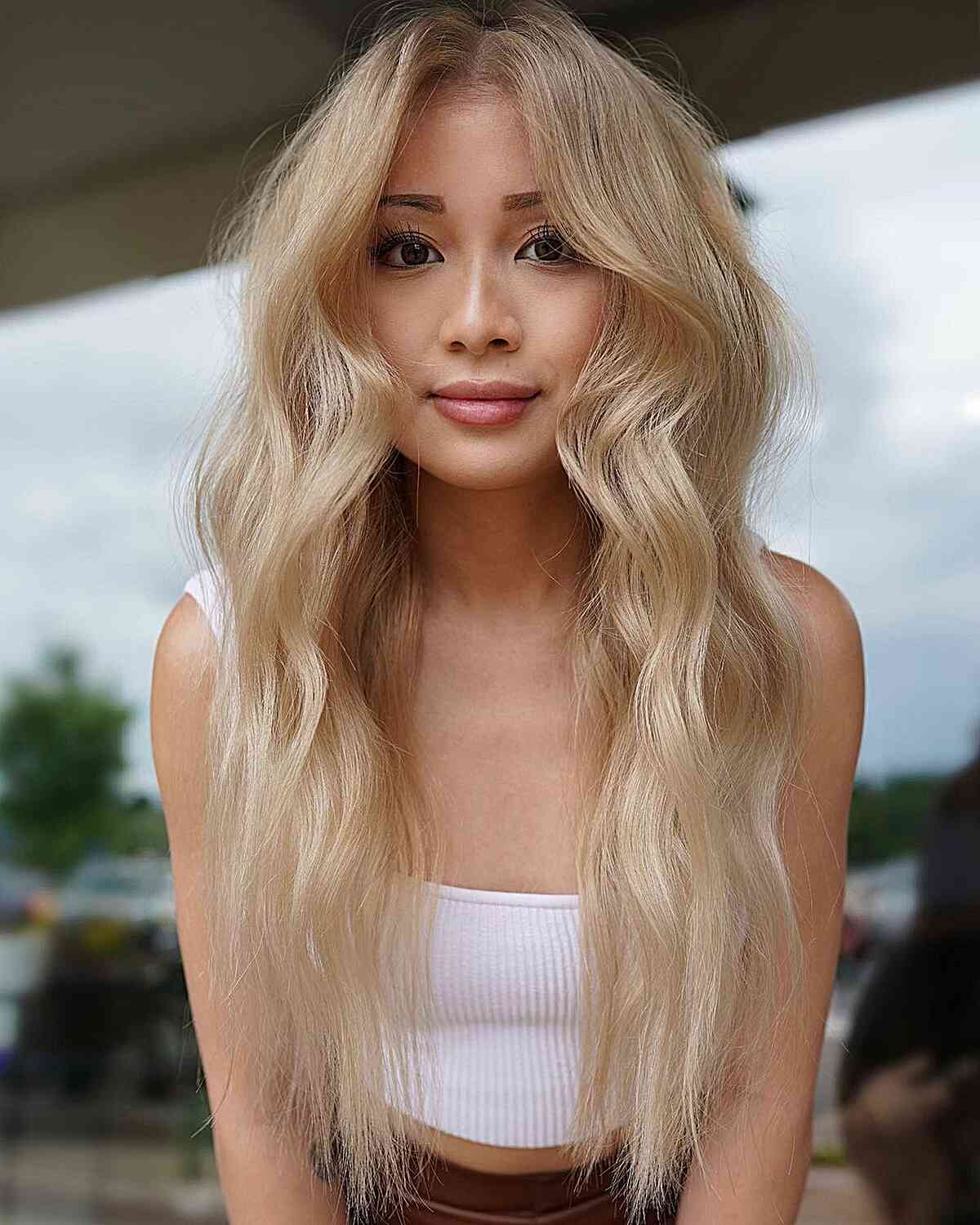
Curtain bangs work best when your hair texture is already wavy and fine. The ash blonde base here stays soft, not silver, with subtle lighter highlights that add depth without a full foil overwhelm. A middle part and shorter front sections frame the face without length commitment. This style requires a solid color or bangs. Ask your colorist for: ash blonde base, subtle lighter highlights, curtain bangs.
Platinum blonde with ash tones and messy top knot bun
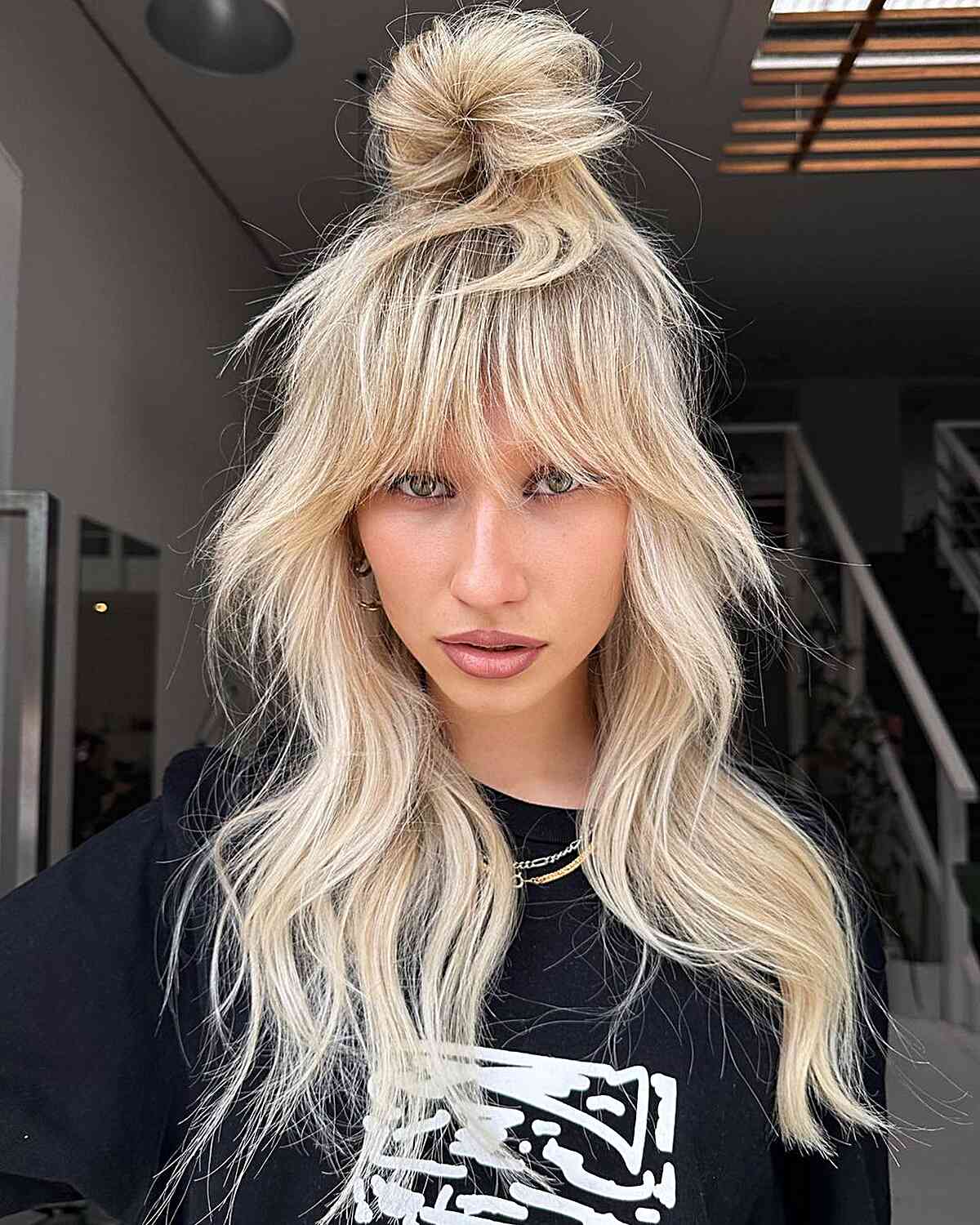
Fine, wavy hair finally gets a messy bun that stays up. The platinum blonde base with ash tones keeps the bun from looking one flat color, and the soft layers and curtain bangs frame the face with the pieces pulled loose. A middle part grounds the look. A sleek updo or very thick hair may cause the bun to get heavy fast. Pull out the front pieces, then pin the bun loosely.
Ash base with bright platinum highlights and root shadow
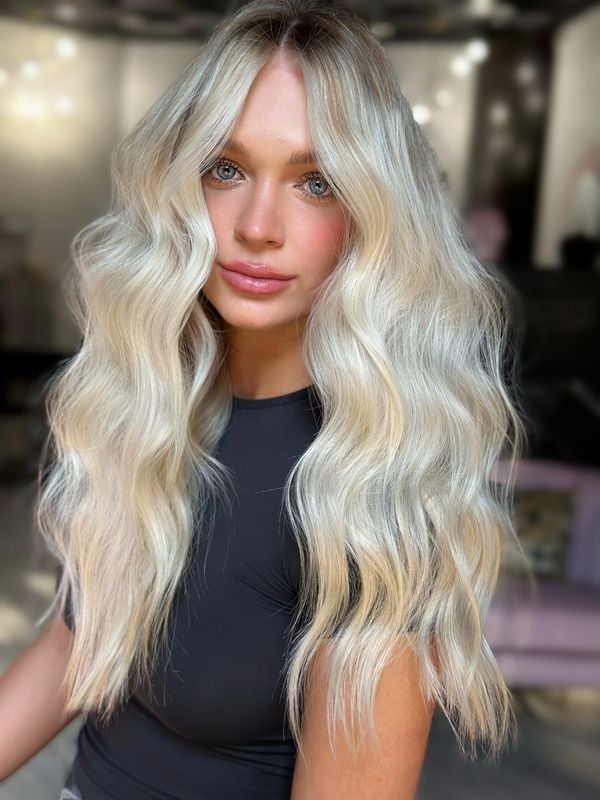
Ask your colorist for: soft ash base, bright platinum highlights, root shadow. That combination needs a strategy, not a guess. Bright platinum woven through an ash base gives contrast without the stripe effect, and the root shadow buys you four weeks of grace before the grow-out line becomes visible. Curtain bangs and face-framing layers soften the high contrast. Thick, wavy texture holds the wave pattern from a blowout without extra product.
Final Thoughts
Pick the blonde that matches your schedule, not the one that looks best in a photo.
- Low upkeep: choose a dark root shadow or balayage.
- Cool base that pulls warm: book a toner every four weeks.
- Ten minutes in the morning: stick with lived-in highlights and air-dried texture.
- Fine hair: ask for face-framing layers to fake density.
One of these dimensional blondes fits your grow-out rhythm.